Employee onboarding kit ideas that make new hires feel like they belong
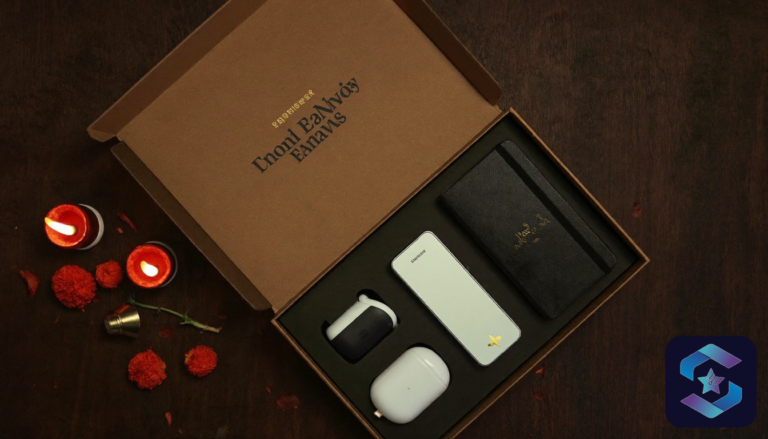
An employee onboarding kit is a curated box of tech, stationery, branded merchandise, and welcome materials given to a new hire on Day 1. The best kits cost between ₹1,500 and ₹8,000 per person and pay for themselves through lower 90-day attrition.
That second sentence matters more than the first. We have dispatched onboarding kits for 40+ companies over the past two years, and the pattern is consistent: companies that hand over a thoughtful kit on Day 1 see 20-3approx 0% fewer resignations in the first quarter compared to companies that hand over a laptop bag and an ID card.
The rest of this guide breaks down what goes into a good kit, what it costs in bulk, and how to avoid the mistakes we see most often.
Why the first box matters more than the first email
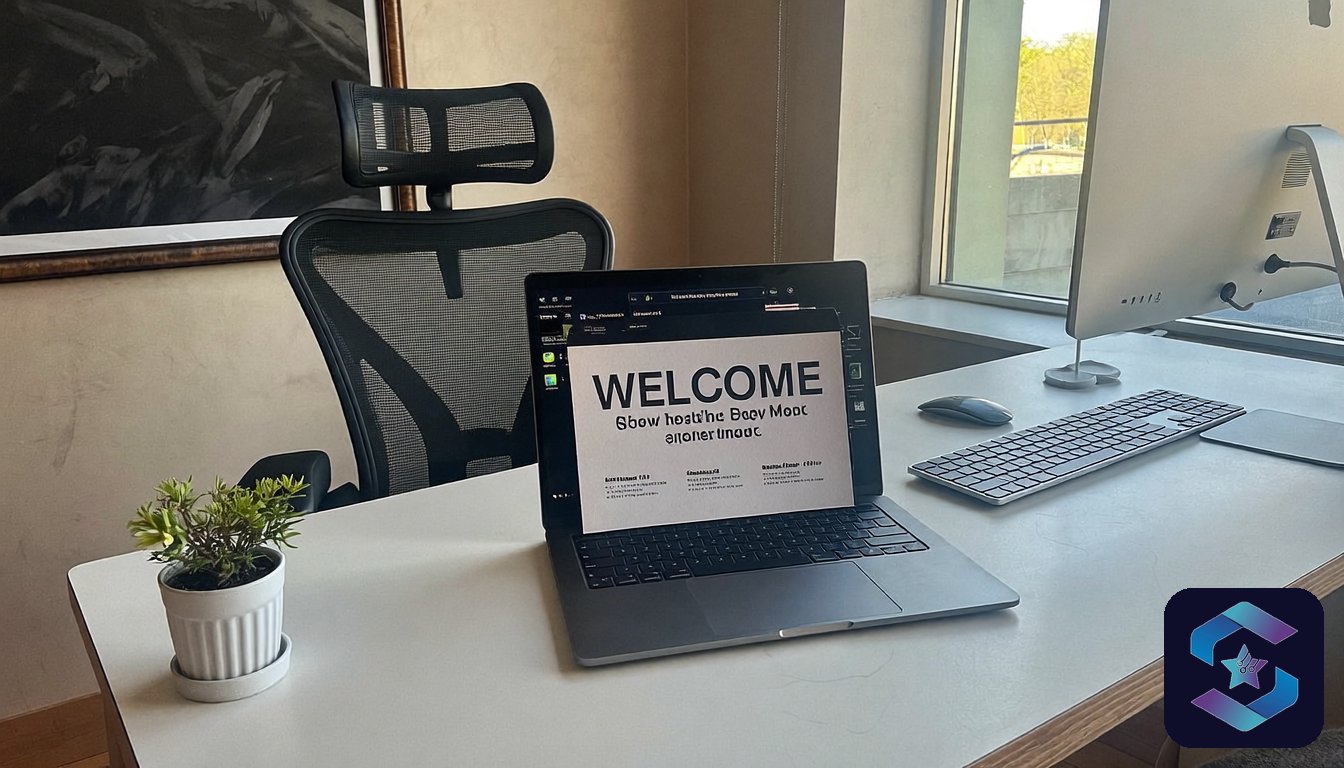
Most HR teams spend weeks designing an onboarding email sequence. Nobody reads those emails on Day 1. What the new hire remembers is the physical experience: the desk, the people, and whatever was waiting for them when they arrived.
A 2024 Gallup study found that employees who strongly agreed their onboarding was exceptional were 2.6 times more likely to be satisfied at work. A kit does not guarantee that. But a missing kit guarantees the opposite feeling: they were not ready for me.
We had a Pune-based pharma company order 120 kits last July. Their HR head told us that four new hires mentioned the welcome kit in their first-week feedback survey. Nobody had ever mentioned onboarding materials before. The kit cost ₹2,800 per person.
The four tiers of onboarding kits (with real pricing)
Not every role needs the same kit. Forcing the same package on a warehouse associate and a senior VP wastes money and misses the point. Here is how our clients typically tier it.
Tier 1: Essentials (₹800 – ₹1,500 per person)
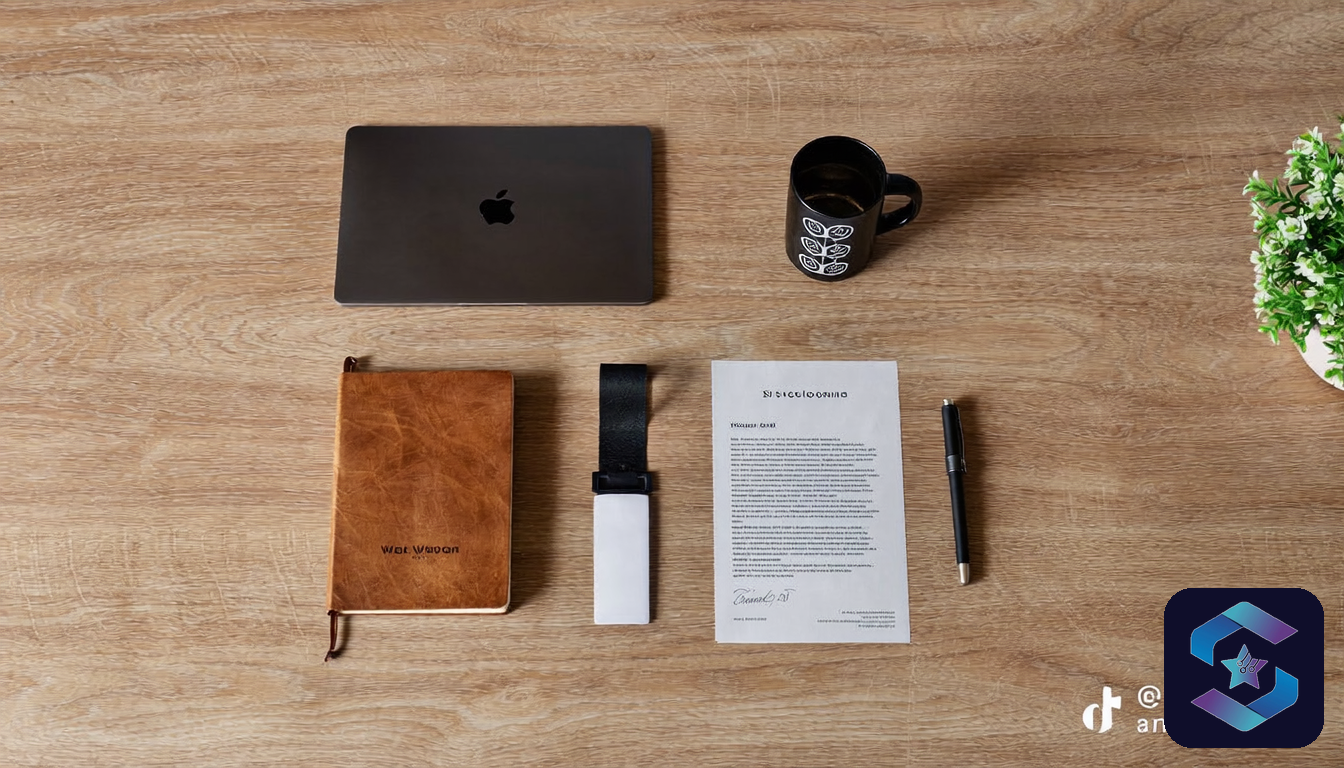
For contract staff, seasonal hires, and large intake batches where volume matters. What goes in: branded notebook (₹120-180), metal pen (₹80-150), company ID lanyard with clip (₹60-100), printed welcome letter from the CEO (₹30), cotton tote bag (₹150-250), basic desk organiser (₹150-200), and a QR code card linking to the HR portal.
This tier works when you are onboarding 50+ people in a single month and need to stay under ₹1,500. It covers the basics. It does not impress.
Tier 2: Standard (₹1,500 – ₹3,500 per person)
The sweet spot for most mid-market companies. This is what approx 60% of our clients order. What goes in: everything in Tier 1 plus a wireless mouse (₹350-500), a USB-C hub or adapter (₹400-700), a branded ceramic mug or insulated bottle (₹250-450), a desk plant or succulent (₹150-250), and a snack box with local treats (₹200-350).
At 200 kits, this tier lands at roughly ₹2,200-2,800 per person depending on customisation. The USB-C hub alone gets used every single day. That is the item people remember six months later. Not the mug.
Tier 3: Premium (₹3,500 – ₹6,000 per person)
For leadership hires, client-facing roles, or companies where employer branding is a competitive advantage. What goes in: everything in Tier 2 plus a Bluetooth speaker or wireless earbuds (₹800-1,500), a leather portfolio or padfolio (₹500-900), a premium branded hoodie or jacket (₹600-1,200), and a personalised welcome card signed by the team.
A Navi Mumbai fintech ordered 35 premium kits for their product team last September. Cost: ₹4,600 per kit. They reported that 8 out of 35 hires posted unboxing photos on LinkedIn. That is free employer branding.
Tier 4: Executive (₹6,000 – ₹12,000 per person)
Reserved for CXOs, board members, or marquee hires where the kit is part of the recruitment close. What goes in: a premium backpack or briefcase (₹1,500-3,000), noise-cancelling headphones (₹2,000-4,000), a branded power bank (₹500-800), a curated book relevant to the role, and a handwritten note from the CEO. Optional: a Samsung tablet or iPad if the role is device-intensive.
Few companies need this tier for more than 5-10 people per year. But when you are closing a VP of Engineering who has competing offers, the box on the desk says something that the offer letter cannot.
Seven items we see in the best kits (and two we never recommend)
After shipping thousands of kits, patterns emerge. These are the items that consistently land well.
USB-C hub (₹400-700). The single most practical item. Every new hire with a laptop needs one. Every time they plug it in, they see your logo.
Wireless mouse (₹350-500). Trackpads are fine until you spend approx 8 hours on spreadsheets. A branded wireless mouse costs less than a team lunch and gets used daily.
Insulated water bottle (₹250-450). Mugs sit on the desk. Bottles go to meetings, the gym, and home. More visibility, longer lifespan, better branding per rupee.
Quality notebook (₹120-250). Not the flimsy lined notebook from the stationery shop. A proper hardcover with the company logo debossed, not printed. The deboss adds ₹30-50 per unit and the difference in perceived quality is disproportionate.
Branded hoodie or t-shirt (₹400-1,200). This only works if the design is something people would actually wear outside the office. If the logo is too large or the fabric is cheap, it stays in the drawer. A rule of thumb from one of our repeat clients: if you would not buy the hoodie for yourself, your new hire will not wear it either.
Snack box (₹200-350). Local treats, not imported candy. A Pune company includes chikki and dry fruit in every kit. A Chennai client packs filter coffee sachets. Regional touches show personality.
QR code welcome card (₹30-50). Links to the HR portal, IT setup guide, org chart, and a short video from the CEO. Costs almost nothing. Eliminates three “where do I find…” questions on Day 1.
What we stopped recommending: fidget spinners and desk toys. Every corporate gifting catalogue includes them. Nobody uses them past Week 1. They end up in a drawer or in the bin. The ₹150-200 is better spent upgrading the notebook or adding a better pen. Custom phone cases sound personal but in practice never fit the right model, or the new hire already has a case they like. Skip both entirely.
Common mistakes that waste budget
Same kit for everyone. A fresh graduate and a VP have different needs and different expectations. Tiering is not about hierarchy. It is about relevance.
Ordering too late. Branded merchandise takes 10-15 working days for production and delivery in India. If you order on the Monday before a Tuesday start date, you will get a kit full of off-the-shelf items with no branding. We recommend placing orders at least approx 3 weeks before the hire’s start date. For bulk intakes (campus hiring, quarterly batches), start approx 6 weeks out.
Forgetting remote hires. If the kit only appears on the desk, remote employees feel like afterthoughts. Ship it to their home address. Add a personal note. The courier cost is ₹100-250 per package. The cost of a remote hire who feels excluded is significantly higher.
No unboxing thought. The order in which items are stacked matters. Put the welcome letter on top. The branded item second. The tech items underneath. It is a 30-second experience, but it sets the tone.
How to plan the budget (with a formula that works)
Here is the formula we give our clients: Annual onboarding kit budget = (Expected hires x Average kit cost) + approx 10% buffer for last-minute additions.
For a company hiring 80 people in FY27 at Tier 2 (₹2,500 average): 80 x ₹2,500 = ₹2,00,000 + ₹20,000 buffer = ₹2,20,000 for the year. That works out to ₹18,333 per month. Spread across the HR budget, this is a rounding error. Compared to the ₹3-5 lakh it costs to replace an employee who quits in the first approx 90 days, the math is straightforward.
One thing to note: for festive occasions, check our Diwali guide for separate gifting budgets. The onboarding budget and the festival gifting budget should be tracked separately.
Making the kit work for your company
The kit is step one. What happens after the box is opened determines whether the hire stays.
Pair the physical kit with a proper device setup. If a new hire opens a beautiful welcome kit but spends approx 3 hours waiting for their laptop to be configured, the kit becomes ironic. The onboarding devices are part of the lifecycle that companies often overlook. Zero-day-ready devices, pre-configured, MDM-enrolled, and ready to use, make the kit experience complete.
Include a 30-day check-in. Send a short survey at Day 30 asking what was useful in the kit and what was missing. Three of our clients do this, and the feedback has directly shaped their Tier 2 composition. One swapped the desk organiser for a laptop stand based on survey data. The cost difference was ₹80 per unit. The satisfaction score jumped 12 points.
Our take
We have seen kits that cost ₹800 outperform kits that cost ₹6,000. The difference is never the budget. It is whether someone in HR spent approx 20 minutes thinking about what a new hire actually needs on their first day versus what looks good in a photo.
The best kit we ever dispatched was for a logistics company in Hyderabad. Tier 2, ₹2,400 per person, nothing exotic. But the HR manager included a handwritten Post-it note from each team member inside the box. That cost zero rupees. Four hires mentioned it in their exit survey 18 months later as the reason they stayed past probation.
If you are building a kit from scratch, start with Tier 2. Add one personal touch that cannot be ordered from a catalogue. That is the kit that works.
Frequently asked questions
Get started with your onboarding kit
Get a custom onboarding kit quote
approx 200+ businesses trust us. Response within approx 4 hours.
WhatsApp us about onboarding kits
Deploying approx 50+ devices? Ask about Device-as-a-Service. Talk to us on WhatsApp