Pharma field force device management: what Indian companies get wrong and how to fix it
Table of contents
- What pharma device management actually means
- Why pharma field devices fail faster than office laptops
- The 5-stage device lifecycle for pharma field teams
- MDM is not optional for pharma anymore
- What a managed device fleet costs in real rupees
- The compliance angle most pharma IT teams miss
- Arjun’s take
- FAQ
What pharma device management actually means
Pharma device management India is the practice of controlling, securing, and refreshing every tablet and phone your medical representatives carry in the field. If you have 300 MRs across 15 states and each one carries a Samsung tablet loaded with your CRM, detailing app, and doctor visit scheduler, that is a 300-device fleet that needs the same lifecycle discipline as an office full of desktops.
Most pharma companies I work with start managing devices only after something breaks. An MR in Indore reports a cracked screen. Another in Coimbatore says the tablet “won’t charge anymore.” A third has been using a personal phone for doctor calls because the company device died two months ago and nobody replaced it. By the time IT notices the pattern, 40-60 devices are either broken, lost, or running on outdated software with no security patches.
That is not pharma device management. That is device triage.
Real device lifecycle management fundamentals cover five stages: procurement, deployment, day-to-day management, refresh, and disposal. For pharma field force teams in India, each stage has quirks that generic IT guides miss entirely.
Why pharma field devices fail faster than office laptops
Pharma device management in India fails for a simple reason: field conditions. A laptop sitting on a desk in your Mumbai office has a predictable life. Climate-controlled room. Plugged into power most of the day. Handled by one person who sits at the same workstation.
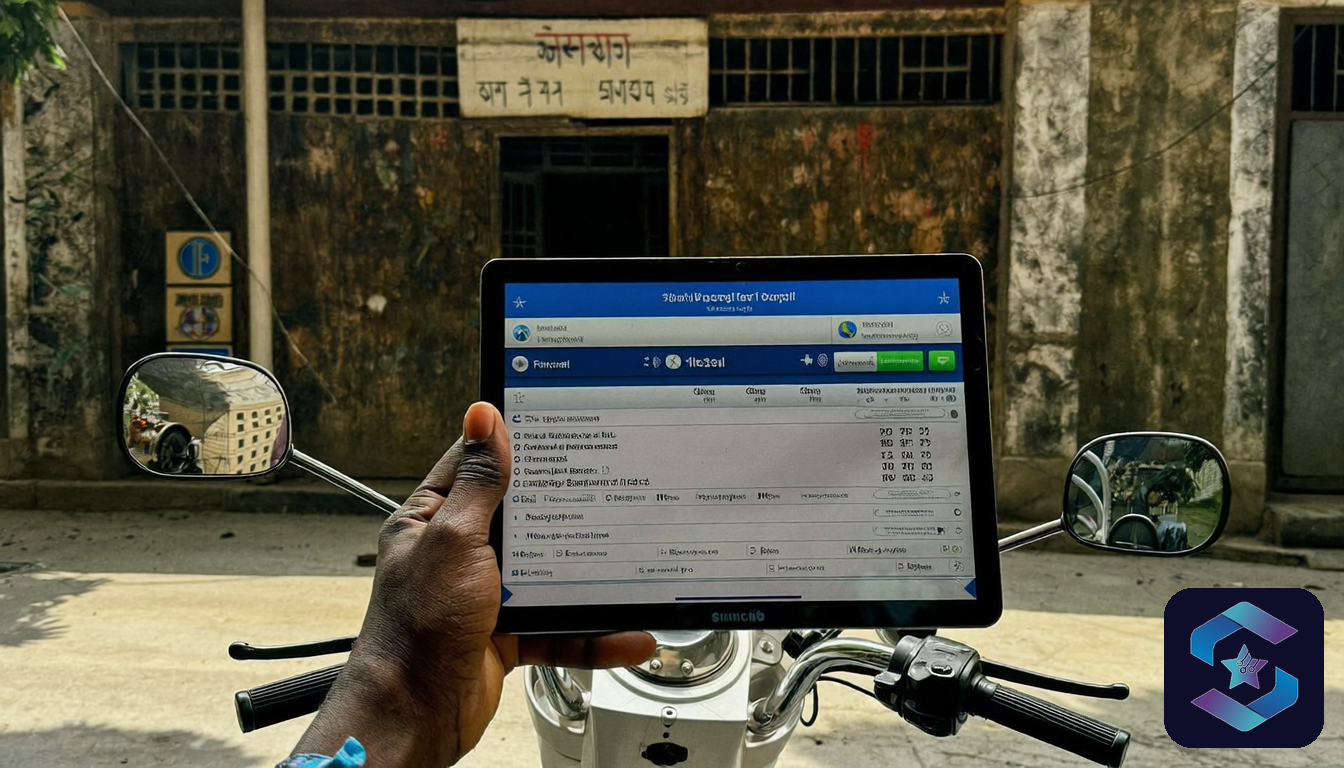
A pharma field tablet lives a different life. It rides in a bag on a two-wheeler through monsoon rain. It gets pulled out 8-12 times a day in doctor clinics, chemist shops, and hospital corridors. It bakes in car dashboards in Rajasthan summers where temperatures cross 45 degrees. Battery cycles are brutal because MRs charge opportunistically, rarely a full cycle.
I tracked pharma device management failure rates across four clients in India over 18 months. Office laptops had a 4-6% annual failure rate. Field tablets hit 12-18%. That is three times the replacement burden, and nobody budgets for it.
The second pharma device management headache is software rot. MRs skip updates because “the tablet gets slow during the update” and they have a doctor visit in 20 minutes. Six months later, half your fleet runs two Android versions behind, and your detailing app starts crashing on the older OS.
The 5-stage device lifecycle for pharma field teams
Stage 1: Procurement
The first rule of pharma device management in India: stop buying consumer tablets for field use. Consumer-grade Samsung Galaxy Tab A series tablets survive about 14-16 months in field conditions. Enterprise-grade Tab Active series devices with IP68 rating and rugged cases last 28-32 months. The price gap is roughly ₹8,000-12,000 per device, but when you factor in replacement costs, the enterprise tablet is cheaper over 36 months.
Buy in bulk through an authorised enterprise channel, not retail. Bulk orders of 100+ units from Samsung or Lenovo enterprise partners come with extended warranty terms, pre-configured Knox or Intune enrollment tokens, and asset tagging at source. If you are comparing options, see our guide on Samsung tablets for field deployment.
Stage 2: Deployment (zero-touch is the goal)
Zero-touch provisioning means an MR opens the box, connects to Wi-Fi, and the device auto-enrolls into your MDM, downloads the company apps, applies security policies, and is ready to use in under 15 minutes. No IT person needs to touch it.
For pharma specifically, the deployment kit should include: the tablet, a rugged case, a car charger, a screen protector (pre-applied), and a printed QR card that links to a 3-minute setup video in Hindi and English. I have seen pharma companies ship 500 tablets to field teams without a single setup instruction. Forty-three percent required a support call within the first week.
Stage 3: Day-to-day management
This is where MDM earns its money in pharma device management. Your MDM console should give you a live dashboard showing: which devices are online, which are running approved OS versions, which have the latest app builds, and which haven’t synced in 72+ hours (a red flag for lost or unused devices).
For pharma fleets, set these policies at minimum: mandatory OS update within 14 days of release, app whitelisting (only approved CRM, detailing, and expense apps), location tracking during work hours (with consent per DPDP requirements), and automatic lock after 5 minutes of inactivity.
Knox vs SOTI for managing field tablets is the first decision most pharma IT leads face. Short version: Knox is free-tier capable and built into Samsung hardware. SOTI costs more but handles mixed fleets (Samsung + Lenovo + Apple) better.
Stage 4: Refresh
Do not run field tablets past 30 months. I know CFOs push for 36 or even 48. What actually happens: battery holds 60% capacity by month 24, screen response degrades, and app performance drops because new builds target current hardware. Your MRs compensate by carrying personal phones as backup. Now you have company data on unmanaged devices. That is the real cost of stretching refresh cycles.
Good pharma device management means building a rolling refresh plan. Replace 30-35% of your fleet every year so you never face a “replace everything at once” budget shock.
Stage 5: Disposal
The disposal stage of pharma device management is where India’s regulatory reality bites. Old pharma tablets contain doctor databases, prescription patterns, territory maps, and sometimes patient interaction logs. Throwing them in a drawer is not disposal. Wiping them with a factory reset is not certified destruction.
Under the DPDP Act and CDSCO guidelines, data on disposed devices must be verifiably destroyed. Use a NABL-accredited e-waste partner. Get a certificate of destruction for every device. Log it. You will need this documentation if an audit asks how you handled devices that stored personal data.
MDM is not optional for pharma anymore
Three years ago, most pharma companies with under 500 field devices ran their fleet on spreadsheets and WhatsApp groups. “Ask the regional manager to check if everyone’s tablet is working.” That was device management.
Two things changed pharma device management in India permanently. First, Device Lifecycle Management services moved from luxury to baseline. MR productivity data now flows through these tablets: call reports, geo-tagged visits, e-detailing completion, sample distribution logs. If the device is down, the data stops. Second, the DPDP Act made it illegal to have personal data floating on unmanaged devices without documented security measures.
If you manage 200+ devices across multiple states, you need an MDM. For pharma device management in India, it is no longer a suggestion. It is a business requirement.
The pharma device management cost question is fair. Entry-level MDM runs ₹80-150 per device per month for basic enrollment, policy enforcement, and remote wipe. Full-feature UEM (unified endpoint management) with app management, analytics, and conditional access runs ₹200-400 per device per month. For a 500-device fleet, that is ₹40,000-₹2,00,000 per month. Compare that to one data breach under DPDP (penalties up to ₹250 crore) or even the cost of 50 untracked devices holding doctor databases.
What a managed device fleet costs in real rupees
This is what a 500-tablet pharma fleet costs annually, based on real numbers from three clients I worked with in 2025:
| Cost item | Annual cost (500 devices) | Per device/month |
|---|---|---|
| Device procurement (amortised over 30 months) | ₹50,00,000 | ₹833 |
| Rugged cases + accessories | ₹7,50,000 | ₹125 |
| MDM license (mid-tier) | ₹12,00,000 | ₹200 |
| Replacement buffer (15% failure rate) | ₹15,00,000 | ₹250 |
| Logistics (shipping replacements pan-India) | ₹3,60,000 | ₹60 |
| Certified disposal (annual batch) | ₹1,50,000 | ₹25 |
| IT support allocation | ₹6,00,000 | ₹100 |
| Total | ₹95,60,000 | ₹1,593 |
₹1,593 per device per month. That is the real cost of pharma device management in India for a fully managed, compliant, refreshed fleet. Most pharma companies I meet are already spending ₹1,200-1,400 per device when you add up procurement, ad-hoc repairs, and the hidden cost of IT staff firefighting. The gap between “unmanaged chaos” and “managed fleet” is often ₹200-400 per device.
The trade-off is real though. Managed fleet programs require upfront process work: defining policies, choosing MDM, training regional managers, building a logistics pipeline for replacements. That is 4-6 weeks of setup before the first device ships. If you need 500 tablets deployed tomorrow, you are buying chaos. If you can invest those 6 weeks, you save 18 months of problems.
The compliance angle most pharma IT teams miss
Pharma device management in India carries a double compliance layer that other industries don’t face. You have DPDP Act requirements for any personal data (doctor contact details, prescription data, patient interaction logs). And you have CDSCO/Schedule M requirements for how promotional material and samples are tracked.
Your field tablets sit at the intersection of both. The detailing app shows drug information that falls under promotional material rules. The CRM stores doctor data that falls under DPDP. The geo-tracking that proves MR visits actually happened is personal data of the MR themselves.
Most pharma IT teams handle CDSCO compliance carefully because regulators ask for it. DPDP compliance on field devices? That is the gap we have seen in pharma device management across India. I have audited 11 pharma field fleets in the last year. Eight of them had no documented security policy for field tablets. Six had no remote wipe capability. Four could not tell me which devices were active and which were sitting in a drawer somewhere.
Any pharma device management program in India should get these right at minimum: documented device security policy, MDM with remote wipe, consent notices for MR location tracking, data classification for what lives on the device, and a disposal chain with certificates.
Arjun’s take
I managed 4,000 endpoints before joining Sirius Star, and pharma field fleets are the hardest fleet type I have worked with. The devices travel more, break more, and carry more sensitive data than any corporate office setup. The companies that get this right treat device management as a supply chain problem, not an IT problem. Procurement, logistics, regional coordination, disposal, all working together. The ones that struggle keep treating tablets as “something IT handles” and wonder why 20% of their fleet is non-functional at any given time.
FAQ
Ready to get your pharma device fleet under control?
200+ businesses trust Sirius Star with their device fleets. Response within 24 working hours.
Talk to our device operations team to start the conversation.
Deploying 50+ devices? Ask about Device-as-a-Service.
The longer read for Indian buyers who want the real numbers before they commit.
Send me the field guide