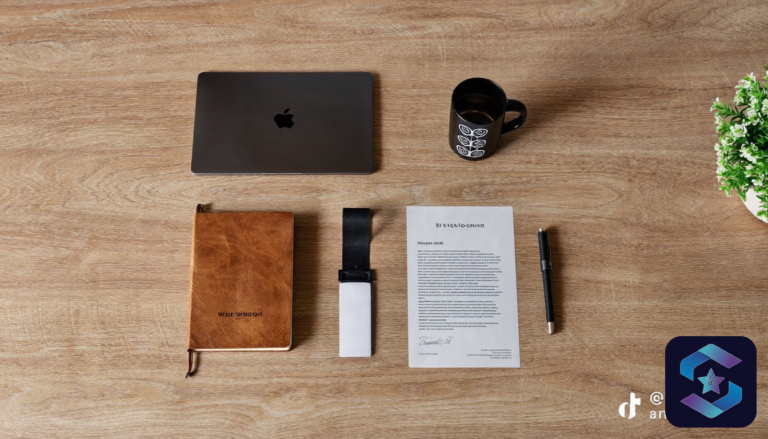
Employee welcome kit: what day one costs, by role
A 240-person engineering firm in Thane had sixty joiners arriving in one quarter. The welcome kit was never the argument. The purchase order was.
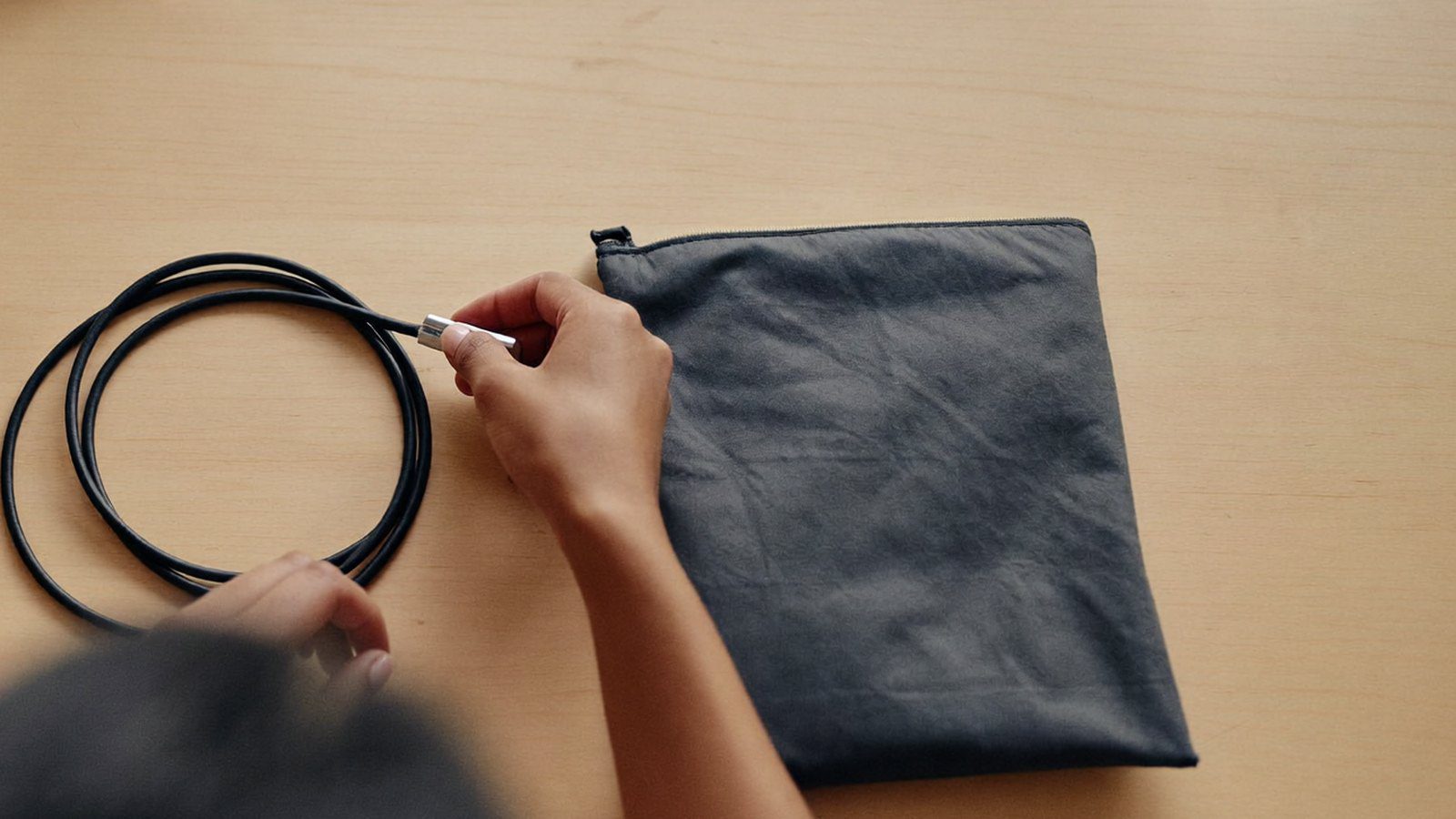
An employee welcome kit in India runs from about ₹700 to ₹9,000 a head once you price it by role instead of by seniority. A shift seat needs the least. A field sales joiner and a work-from-home joiner need the most, for opposite reasons.
Split the purchase order before it goes out. Equipment the company keeps belongs on one line. Merchandise the joiner keeps belongs on another. Section 17(5)(h) of the CGST Act blocks input tax credit on anything handed over as a gift, and a single combined PO makes both lines look identical to whoever books it.
She said, “Just give me the per-head number and I will get it approved.” That was the line that made me ask to see the purchase order instead.
Tuesday morning, an engineering services company in Thane. 240 people on roll, sixty joiners coming over one quarter across three offices. I was there for the laptop order. I got pulled into a meeting about welcome kits, which is how most of my useful meetings begin.
Sneha runs HR and wanted ₹3,500 a head. Girish runs finance and had written ₹1,800 on a sheet before anyone sat down. Neither of them had done anything lazy. They were both arguing carefully about a number that was not the problem.
I am Anjali. One disclosure before we go further. We sell corporate gifting and we sell the devices that go with it, so I get paid either way, which is exactly why I will tell you which half of this spend is usually wasted.
What Sneha was actually asking for
Her list was not a hamper. I want to be fair to her here, because the finance version of this argument always assumes HR is buying mugs.
She had sat with three of last year’s joiners and written down what went wrong on their first morning. A field sales hire in Nashik spent day one hunting for a charger because his laptop shipped without one. A designer in the Thane office worked off a laptop screen for eleven days waiting for a dock, because the dock was a hardware request and hardware requests went into a different queue. A work-from-home joiner in Indore got her ID card by courier and her machine nine days later.
None of that is a gifting problem. All of it lands on HR anyway, because the joiner does not call the IT queue on day one. She calls the person who hired her.
So the ₹3,500 was Sneha buying her way out of three queues she does not control. Two years of budget meetings had filed it under generosity. Bas, that was the whole thing, and it took forty minutes to surface because nobody had ever said it in those words.
What Girish was actually looking at
He turned his laptop around at about the fifty-minute mark and showed me last year’s document. One purchase order. One line. Welcome kits, 48 nos, all inclusive. Under it, in the annexure nobody had opened since March, sat forty-eight laptops.
Here is where I have to admit I spent the first hour on the wrong side. I had walked in assuming this was the usual budget argument and I was quietly helping Girish push Sneha’s number down. Arre, the ₹1,700 gap between them was worth about a lakh across sixty joiners. The line I was not reading was worth a great deal more than that.
Because that PO had put roughly ₹25 lakh of company-owned laptops inside a document titled gifting, and the accounts executive who booked it had done the consistent thing and treated the whole file the same way.
The law itself is not confused about this. A laptop issued to an employee, which the company owns, records and takes back on exit, is not a gift. It is a business asset and the credit on it is ordinary. But the law follows substance and your auditor reads documents, and a single line saying welcome kits, 48 nos is a query you will answer for three months with old delivery challans.
Of everything in this box, what does the company still own in eighteen months? Whatever survives that question belongs on a different line from whatever the joiner takes home. If the two are on one line, somebody downstream will treat them the same.
What a welcome kit costs, by role
We rebuilt their list by role rather than by seniority tier. The seniority version is the one every catalogue sells, and it is why a warehouse supervisor and a field engineer get the same box when their days look nothing alike.
| Role | Company keeps this (asset line) | Joiner keeps this (gift line) | Kit spend per head* | Where it usually goes wrong |
|---|---|---|---|---|
| Desk-based ops, finance, support | Wireless mouse, wired headset, laptop stand | Notebook, bottle, tee | ₹1,400 to ₹2,200 | Over-bought. This role needs the least and gets the standard box. |
| Field sales, service engineer | Multi-port fast charger, power bank, padded sleeve | Notebook, tee, travel pouch | ₹3,200 to ₹4,500 | Under-bought. The charger is the item that decides whether day one works. |
| Engineer, designer, video | USB-C dock, display cable, wired headset | Notebook, tee | ₹2,800 to ₹4,000 | The dock sits in a hardware queue and arrives weeks after the box. |
| Contact centre, shift seat | Headset issued to the seat, not the person | Tee, ID pouch | ₹700 to ₹1,100 | Kits get bought per hire instead of per seat, then re-bought at every churn. |
| Work-from-home joiner | Dock, keyboard, mouse, courier to home | Notebook, tee, snack box | ₹3,500 to ₹5,000 | Courier and address collection are forgotten until the week of joining. |
| Leadership hire | Premium headset, dock, backpack | Book, hamper | ₹5,500 to ₹9,000 | Ordered late, because the offer closed late. |
Read the last column down the page. Four of the six rows fail on timing or on queue, and only one fails on money.
What I told them
Two purchase orders. Same vendor, same delivery date, same box at the end of it.
One PO for equipment the company owns and records, with each item described as itself. Dock, charger, headset, sleeve. That line goes on the asset register the day it leaves the store room, not the day someone remembers. The credit position on it is ordinary and defensible because the document says what the thing is.
One PO for merchandise the joiner keeps. Notebook, tee, bottle, hamper. On that line, take the eighteen percent as cost and stop arguing with it, because clause (h) of section 17(5) blocks credit on goods disposed of by way of gift, and CBIC Circular 92/11/2019-GST says the same thing in plainer language. Budget the tax into the per-head number at the start and nobody has to discover it in October.
Then the part that was worth more than either PO. We moved the dock, the charger and the headset out of the hardware request queue and into the joining checklist, so they are ordered when the offer is accepted rather than when the joiner complains. That change cost nothing and it removed the eleven-day designer problem entirely.
Sneha got ₹2,900 average, which is below her ask and above his. Girish got a document he can hand an auditor without a covering note. The sixty kits went out in three batches and the field sales joiner in Nashik had a charger.
We have seen this go wrong at enough Indian companies to know where it breaks, and it is almost never the catalogue. It is the day the box and the laptop stop travelling together. That is why we keep client fleets inside our device lifecycle management practice rather than treating the joining kit as a separate errand, and why the equipment line should land in the same register your IT asset management tool already holds.
If you are building this yourself
Five things, in this order.
Write the role list before the item list. Six roles is usually enough for a 200-person company. If your kit has one specification, you are over-buying for half your joiners and under-buying for the half who travel.
Separate the two lines on the PO. Company-owned equipment described as equipment, employee-keeps merchandise described as merchandise. This is a fifteen-minute change to a document and it is the only item on this list that an auditor will ever ask about.
Put the equipment on the register the day it ships. A dock that never got a row is a dock nobody reclaims when the joiner leaves in month seven, and month seven happens more than anyone plans for.
Order three weeks ahead for branded items, six weeks for a batch intake. Nothing about this is negotiable with a printer in September. For what actually goes inside the box tier by tier, we wrote that up separately in our onboarding kit item guide, and the annual per-head planning number sits in the corporate gifting budget piece.
Collect the home address at offer stage for anyone joining remote. Not at joining. At offer. The courier is ₹150 and the awkward call is free but nobody enjoys it. Hiring past fifty joiners this year, price Device-as-a-Service on the equipment line too, because the register and the reclaim come built in.
What to take away
- Price by role, not by seniority tier. A shift seat and a field engineer have opposite needs, and the standard box serves neither.
- Two lines on the purchase order. Equipment the company keeps, merchandise the joiner keeps. One combined line is what gets queried.
- The gift line carries its tax. Section 17(5)(h) blocks input tax credit on goods given away, so build eighteen percent into the per-head number rather than discovering it later.
- The dock is the deadline, not the mug. Four of six roles fail on timing or on an internal queue. Only one fails on budget.
- Move equipment into the joining checklist. Ordering it when the offer is accepted, rather than when the joiner asks, costs nothing and fixes most of day one.
Questions Sneha asked while we rebuilt the list
What goes into an employee welcome kit, and what should stay a company asset?
Anything with a serial number or a reclaim value stays a company asset: dock, charger, headset, power bank, sleeve, keyboard, mouse. Anything the joiner keeps on exit is the gift side: notebook, tee, bottle, snack box, hamper. Write them as two lines on one order, not one line, because the two are treated differently in your books and by anyone auditing them later.
How much should an employee welcome kit cost per head in India?
Between about ₹700 and ₹9,000, and the spread is role, not seniority. A contact centre seat lands at ₹700 to ₹1,100 because the headset belongs to the seat. A field sales joiner lands at ₹3,200 to ₹4,500 because the charger and power bank decide whether day one works. Most mid-market companies average ₹2,500 to ₹3,000 across a mixed intake.
Can we claim GST input tax credit on an employee welcome kit?
On the equipment the company owns and records, ordinarily yes, because it is used in the business and never handed over. On the merchandise the employee keeps, no. Clause (h) of section 17(5) of the CGST Act blocks credit on goods disposed of by way of gift, and Circular 92/11/2019-GST confirms it. This is a call your CA signs, not a blog, so take the split to them with both invoices before the quarter closes.
Do we have to pay GST on the gift part of the kit?
Not at normal kit values. The proviso to paragraph 2 of Schedule I of the CGST Act treats gifts up to ₹50,000 in value per employee in a financial year as not a supply, and CBIC said so in a press release. Above that threshold in a year, per employee, the position changes and it is worth a conversation with your CA. A ₹3,000 joining kit is nowhere near it. A joining kit plus a Diwali hamper plus a milestone gift for the same person is worth adding up once.
Still deciding? These are the pages we send clients next.
The last batch went out on a Friday and the office boy who packed them asked me why the docks were in a separate carton from the tees. I said because they come back one day and the tees do not. He thought about it and said then we should write the name on the dock, madam, not on the bag. He was right, and it took him nine seconds to get somewhere a purchase order had taken us two meetings to reach.
One page. Six roles, the two purchase order lines, what belongs on the asset register, and the joining checklist that moves equipment out of the hardware queue.
* Per-head ranges are indicative market pricing for branded bulk orders in India at the time of writing and move with quantity, customisation and season. Confirm your numbers on a written quote. Kit composition and the sixty-joiner example come from one anonymised 240-seat client engagement, not a benchmark study. Tax treatment described here is general and not advice for your business; confirm the split with your chartered accountant.