IT asset management software: what a 118-seat fleet count found
A 118-seat freight forwarder in Bhiwandi had every device on a spreadsheet. The spreadsheet was wrong in both directions.
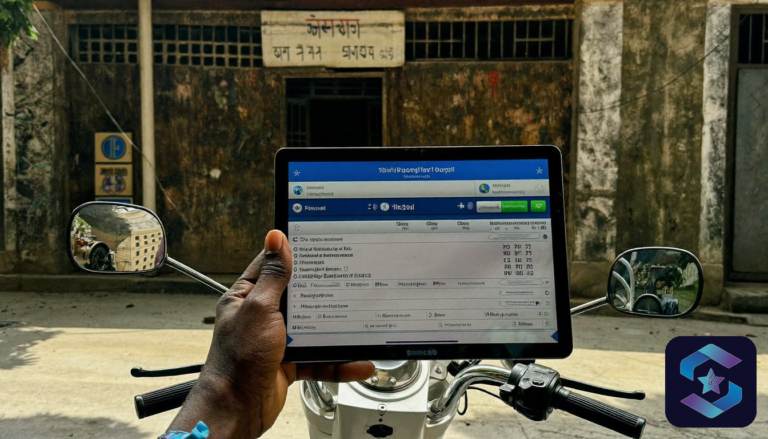
IT asset management software keeps one searchable record of every device you own: who holds it, where it sits, what is installed on it and when the warranty runs out. Snipe-IT is free if you host it yourself. ManageEngine AssetExplorer has a free tier that stops at 25 assets. Freshservice folds asset tracking into a service desk from its Growth plan.
The licence is the cheap part. Whether the register still tells the truth in month nine depends on who updates it the day a laptop changes hands.
09:05 on a Tuesday, and the awkward question arrived from Rotterdam.
A 118-seat freight forwarding company outside Bhiwandi had just won work with a European shipper, whose compliance team sent across a vendor questionnaire, forty-one items long. Sameer, who runs their IT alone, answered forty of them before lunch.
Item eleven stopped him. Provide a current inventory of all devices that store or access our shipment data, with owner and location.
He had a spreadsheet. He had had a spreadsheet since 2021. He opened it, sat with it a while, and then he called us.
I am Priya. One disclosure before we go further. We sell device management as a service, so I have an interest in you finding this hard, which is exactly why I will tell you when the free tool is the right answer.
Here is the part buyers get wrong. They treat this as a software purchase. It is a bookkeeping habit that happens to need software. The tool holds whatever you put in it, faithfully, including your mistakes.
Six days, three locations, and a count nobody enjoyed
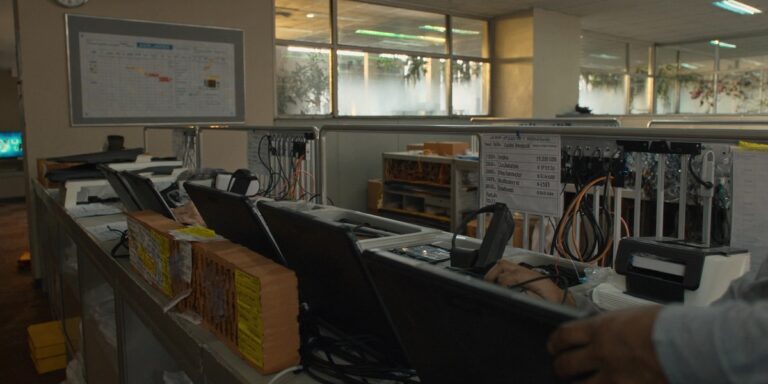
We did it the boring way. Physical count, floor by floor, matched against the sheet afterwards. Head office above the warehouse in Bhiwandi, a four-desk documentation cabin near Nhava Sheva, and a branch in Nagpur that reports to sales and buys its own everything.
Six working days. Here is what came out.
The spreadsheet held 118 rows. Of those, 104 pointed at a machine somebody could physically produce. Fourteen rows described machines that no longer existed on any floor. Two had been stolen from a car in 2023. The rest had died and gone out with a scrap dealer, and nobody went back to close the row.
Then we walked the other direction, counting machines and looking for their row. We found 131 devices in daily use. Twenty-seven had never been entered at all.
So the register was wrong twice over. Fourteen ghosts, twenty-seven missing machines. Sameer had not been careless. He was the only person maintaining it, and he had been maintaining the joining side.
The mistake I made on day one
I want to be honest about this, because the mistake is the lesson.
I went in expecting the gap to be old machines. That is the usual shape. Laptops retired, rows left open, a count that quietly overstates what you own. I spent most of the first day chasing retirements and feeling productive about it.
The real exposure pointed the other way. Nagpur had bought eleven laptops over three years on local invoices that went to accounts and never touched IT. A shared desktop in the dispatch cabin, on an unsupported operating system, held shipment records going back to 2022. Two machines belonged to consultants who left and never returned them.
An amber signal I read as background noise on Monday was the whole story by Thursday. The devices nobody knew about were the ones holding the data the questionnaire asked about.
Who in your company can buy a laptop without IT touching the invoice? If the answer is anybody in a branch, your count is wrong right now, and no software will find those machines unless it is scanning your network.
What IT asset management software costs, and what it does not solve
Three tools kept coming up on Sameer’s shortlist. You will meet the same three, so here is what we found pricing them for a 131-device company with one IT person.
Snipe-IT is open source and free to self-host, with no cap on assets or users. Their FAQ confirms nothing is held back from the free version, and hosted accounts start at 39.99 US dollars a month if you would rather not run the server.* Two honest downsides. It does not go and find your devices, so somebody types them in. And self-hosting means you patch it. A critical access-control flaw, CVE-2026-37709, affected every Snipe-IT release before 8.4.1. A neglected asset register is still a web application on your network.
ManageEngine AssetExplorer comes from Zoho, worth saying in India: built in Chennai, support hours that overlap yours. Their licence terms grant a free edition covering 25 IT assets in perpetuity. It discovers devices on the network rather than waiting for typing. But twenty-five is a hard limit, and 131 is not 25.
Freshservice puts asset management inside a service desk and prices per agent, not per device. It starts at the Growth tier, with managed assets metered separately as asset units bought in packs of 500.* Sameer is one agent. That surprised him, as it surprises most buyers who assume per-device pricing.
| What you are actually buying | Spreadsheet | Snipe-IT self-hosted | AssetExplorer free | Freshservice Growth |
|---|---|---|---|---|
| Licence cost | Nil | Nil | Nil | Per agent, per month |
| Device limit | None | None | 25 assets | Metered in packs of 500 |
| Finds devices by itself | No | No | Yes, network scan | Yes, agent and agentless |
| Software licence tracking | No | Basic | Yes | Yes |
| Warranty and AMC dates in one place | If you type them | Yes | Yes | Yes |
| Who patches the application | Nobody needs to | You do | Vendor, cloud edition | Vendor |
| Survives the person who built it leaving | Rarely | Only with a process | Only with a process | Only with a process |
Read the last row against the rest. Every column fails at the same place, and it is not a feature gap.
What I told Sameer
Buy the hosted one, and not for the reason he expected.
AssetExplorer was out on the number alone. Snipe-IT was tempting, because it is free and it is good, and I steered him off it anyway. One man running IT for three locations should not also be the person patching a web application the week a critical advisory drops. That is not a knock on the software. It is arithmetic about his Tuesdays.
Freshservice at one agent gave him discovery, one console and somebody else’s patching schedule. Hire a second IT person next year and the licence follows the person, not the fleet.
Then the part that mattered more than the tool. We wrote down who updates the record and when. New joiner, the row is created before the laptop leaves the store room. Exit, the row closes on the same form finance uses to clear the final salary. Branch purchase, no reimbursement without an asset row. That last rule fixed Nagpur in one quarter and cost nothing.
We have seen this count go wrong afterwards at enough Indian companies to know where. The register decays fastest at handover, when a laptop moves desks quietly. That is why we hold client fleets inside our device lifecycle management practice rather than handing over a login and wishing people luck, and why we wrote a plain explainer on what the lifecycle covers.
Item eleven went back to Rotterdam eleven days later. 131 rows, an owner and a location against each. Accepted without a follow-up question.
If you are doing this count yourself
Four things, in this order.
Count the machines before you buy the tool. A physical count is the only thing that tells you how wrong you are today, and that number decides your tier. Under 25 devices, take the free AssetExplorer edition and keep your money.
Fix the two directions separately. Ghost rows are an accuracy problem. Missing machines are a data-protection problem. The second is what a client questionnaire finds, and the DPDP Act has no headcount exemption, so a 118-seat firm carries the same duty as a 2,500-device insurer. Our DPDP readiness checklist for HR and IT teams covers the paperwork side.
Write down who updates the record, on which day, triggered by what. One page, taped inside the store room door if you must. A register with no named owner is a spreadsheet again within two quarters.
Close the row when the machine leaves. Retirement is where registers rot and where data walks out. We covered the safe way in what to do with old office laptops, and the certificate trail in our IT asset disposition service. Buying past 50 devices this year, price Device-as-a-Service too, because the register comes built in.
What to take away
- Count first, shortlist second. The physical count found 14 ghost rows and 27 machines nobody had entered. No demo shows you that.
- The dangerous error is the missing row, not the stale one. Devices nobody entered are the ones holding data nobody is protecting.
- Free is real, and it has a shape. Snipe-IT: no asset cap, no discovery, you patch it. AssetExplorer: discovery included, capped at 25 assets.
- Per-agent pricing suits small Indian IT teams. Freshservice charges for staff, not fleet, which favours the one-person department.
- The rule that saves the register is a procurement rule. No reimbursement without an asset row fixed branch buying inside one quarter.
Questions Sameer asked while we counted
What is IT asset management software, in plain terms?
A shared record of every device and licence you own, with an owner, a location, a purchase date and a warranty end date against each. Good ones scan your network and add what they find, so the list corrects itself instead of waiting for someone to type. The point is answering in one minute where a laptop is and who is responsible for it.
Is there a genuinely free IT asset management tool for a small Indian company?
Two, with different limits. Snipe-IT is free to self-host with no cap on assets or users, but it does not discover devices and you carry the patching. ManageEngine AssetExplorer has a free edition covering 25 IT assets that never expires, and it does discover. Under 25 devices, take AssetExplorer. Above that, pay for a tier or accept the typing.
Can we not just keep using a spreadsheet?
Up to about 30 devices in one office with one person buying everything, yes, and we say that out loud even though it costs us work. It fails at branch purchases that never reach it, at handovers when a laptop moves desks and nobody edits a cell, and at evidence, because a client wants dates, not a file last saved in March.
Does the DPDP Act require an asset register?
Not by that name. It requires you to protect personal data you hold and account for it, and you cannot protect a device you never recorded. In practice the demand arrives sooner from customers than regulators. Larger clients already ask for a device inventory with owner and location in their vendor questionnaires. The register is what answers that.
Still deciding? These are the pages we send clients next.
On the last afternoon the store room boy asked why we were writing down cables. I said we were not, only the machines. He said the cables also go missing, madam, and nobody asks. He was right and I had no answer. Count the machines first. But somebody in your building already knows exactly what walks out, and it is usually not the person holding the spreadsheet.
One page. The columns to count, the two directions to reconcile, the procurement rules that keep the register honest, and the tier each fleet size actually needs.
* Vendor pricing and edition limits are current at the time of writing and change without notice. Dollar figures are listed as the vendor publishes them. Confirm the India-billed number and the asset cap on a written quote. Device counts come from one anonymised 118-seat client fleet, not a benchmark study.