The 90-minute argument that decided our laptop benefit
A Bengaluru SaaS HR head walks into Finance with one idea about employee retention. The Finance head has a spreadsheet that disagrees. Ninety minutes later, both have changed their minds about something.

Indian SaaS scale-ups are running out of perks to throw at attrition. Annual bonuses have plateaued. The next move is letting employees lease the device they actually want, with the company paying nothing upfront and the employee saving up to 40 percent against MRP.
This is a story of a 90-minute meeting where an HR head and a Finance head argued through it. Both were right about something. Neither won. The reader gets to pick.
10:55 AM · Bengaluru, off Outer Ring RoadThe meeting that had been postponed twice
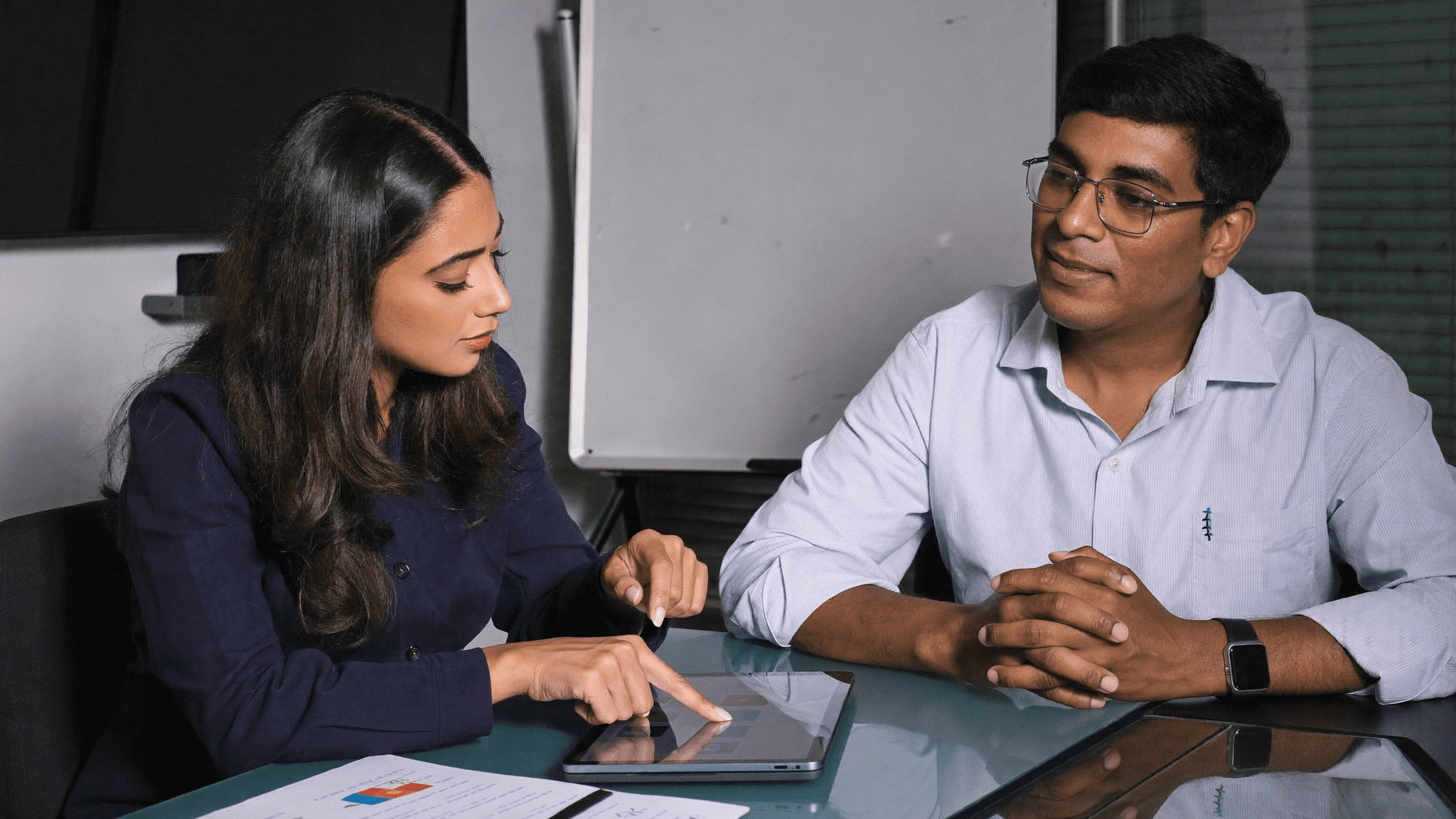
Anuja walked into the meeting room at 10:55. She had five minutes before Rajesh would arrive, and she used them to put her tablet on the table, find a place for her water bottle, and rehearse the first line one more time. Three engineers had left in the last quarter. One of them had gone to a Series B in San Mateo whose only India operation was the hiring email. The HR group on WhatsApp had been very quiet about that one.
The conference room was the small one next to Finance. The AC made a sound that everyone in the company knew and nobody had ever fixed. Anuja didn’t hear it any more. She suspected Rajesh didn’t either.
Rajesh arrived at 11:01 with a laptop, two pens, and an A4 printout. The printout was a habit from a previous job. He sat down without quite sitting down, the way Finance people do when they intend the meeting to be short.
“You have thirty minutes. I have a forecast review at twelve.”
“Bas. Thirty minutes. I want us to look at Smart EPP for the engineering and design teams. Not the whole company. Sixty employees in the pilot.”
Rajesh opened his laptop. He had already pulled up a tab with the words “Employee Purchase Plan” in the search bar. Of course he had.
11:02 AMThe opening pitch, from the HR side of the table
“You know the iPhone 16 Pro is Rs 1,19,900 in retail. An engineer earning Rs 22 lakh a year cannot easily justify that on a personal credit card. With Smart EPP, the same iPhone costs the employee Rs 9,154 a month from their payslip for one year. After tax savings and the upfront corporate discount, the effective price drops to Rs 76,889. That is 64 percent of MRP. The employee owns the device at the end of the year for a 2 percent residual.”
“And the company pays?”
“Nothing. The leasing partner funds the device. We sign a master agreement once. The reseller is Sirius Star. The protection partner is OneAssist for ADLD and theft. We are not the asset owner. We are the conduit. The auditor sees one master lease agreement, not 60 devices on our balance sheet.”
“And the retention angle?”
“Two answers. One is obvious. Engineers want the device they want. Half our senior engineers run a personal MacBook for hobby projects. If we give them a year-one path to the MacBook they actually want, on monthly rent they can afford, we are slightly less easy to leave. The second answer I do not want to say out loud, but I will. We have lost three engineers in the last quarter. Two went to companies that already offer this. The WhatsApp HR group is full of conversations about this we are not part of.”
Rajesh did not say anything for a moment. He looked at his laptop screen. Then he looked at her. Then he looked back at his laptop screen.
11:14 AMThe pushback, from the Finance side of the table
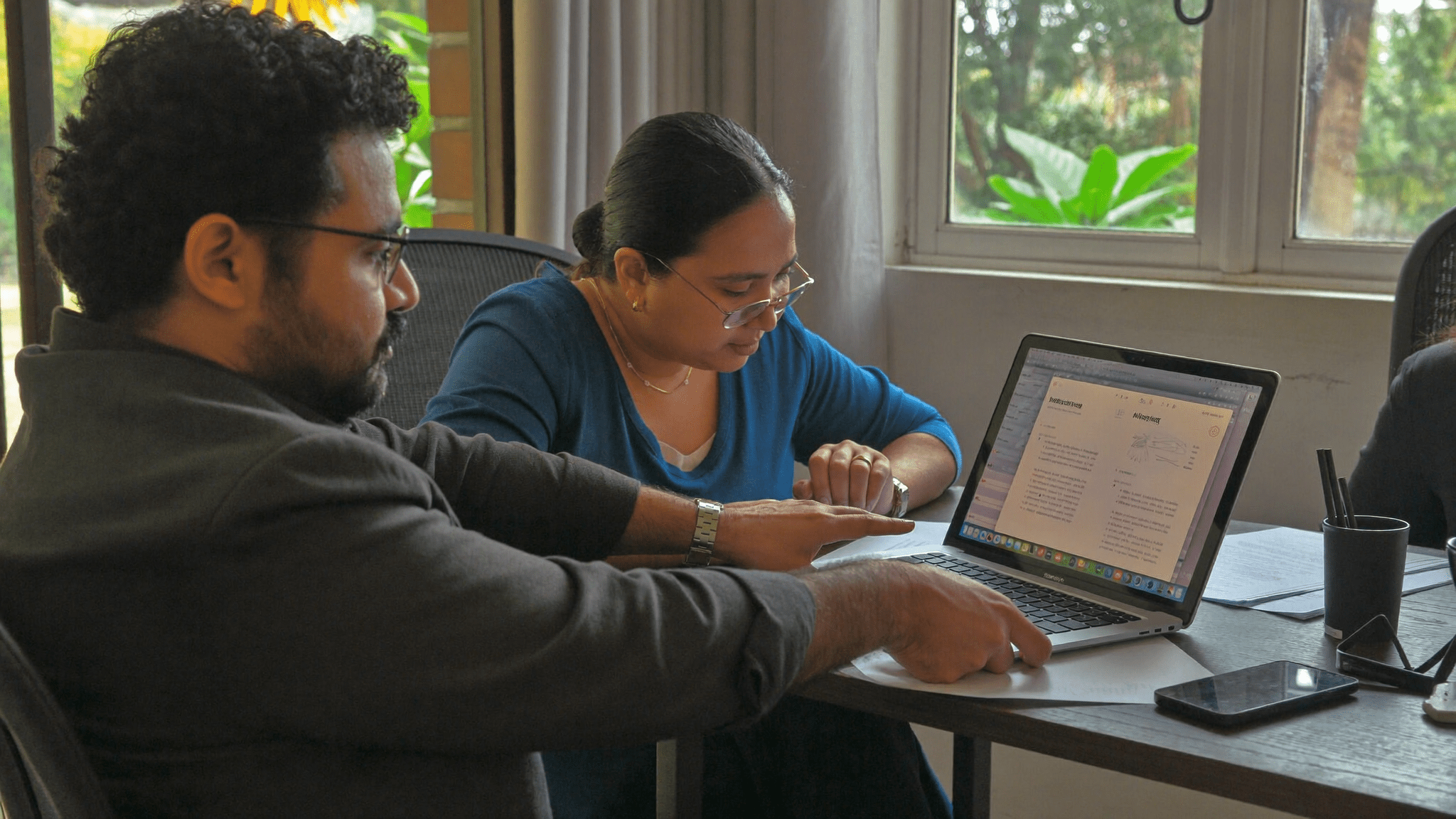
Rajesh turned his laptop around so Anuja could see the spreadsheet. He had built it on Saturday at home, which was a fact neither of them was going to mention.
“I read about EPP last week after your first email. I built this so I could think clearly. Three things bother me. First, employee-tied lease commitment. If an employee resigns in month seven of a twelve-month tenure, who is paying the remaining five months?”
“The employee. The lease is in their name from day one. We are not guarantors. The leasing partner takes that risk.”
“Pakka? Show me the clause.”
“It is on the master agreement. I will share it after this. Yaar, I read it three times before I came in here.”
“Achha. Second. GST. We are doing GST simply right now. Cash bonus, TDS at 30 percent, done. With EPP I have a lease rental that has its own GST treatment. Who is filing what?”
“The leasing partner files the GST on the rental. The employee gets the device as a personal asset, not a salary perk. There is no perquisite tax for the employee on this. That is part of the savings number I just showed you.”
“Third. The one I really care about. The annual bonus is a known instrument. Every CFO in Bengaluru knows what it looks like in March. If we cut the bonus pool to fund EPP, what is the conversation in March with employees who expected the bonus?”
“We do not cut the bonus pool. The bonus stays. EPP is funded by zero company cash. That is the part most people miss. The company does not pay for the device. The employee pays for it. We are just opening the door. Our role is the master agreement and the relationship with the reseller and OneAssist.”
Rajesh was quiet again. Then he said something that surprised her.
“The annual bonus is hygiene now. It does not retain anyone. We pay it and people leave anyway. I know that. I do not want to say it out loud in QBR because it sounds defeatist. But I know it.”
That was the vulnerability moment. Anuja had walked in expecting to argue for EPP. She had not expected him to give up the bonus narrative on his own. She decided to slow down.
11:38 AMThe shift, where both of them noticed something
“If I run the math on retaining one senior engineer for 18 more months because we offered EPP early, what is that worth to us?”
“Fully loaded cost of a senior is about Rs 35 lakh a year. Replacement cost when one leaves is usually a quarter of salary plus 90 days of productivity loss. So retaining one senior for 18 more months is worth roughly Rs 12 to 14 lakh in avoided replacement cost, before counting the productivity ramp of the replacement. Four years of bonus value is around Rs 15 lakh on the same person.”
“And EPP costs us zero cash.”
“Zero cash. The HR signal is real. The Finance impact is roughly nothing. The auditor only sees the master agreement and the protection plan.”
“Then the real question is what we cap at. If 200 employees all take an iPhone, the leasing partner needs to underwrite that volume. If only 30 take it, the leasing partner is fine but the HR story is small. What is the sweet spot?”
“The OneAssist program covers 4,000+ enterprise customers and 3.2 lakh+ enterprise devices. They have pick-up-and-drop across 19,000 pincodes pan-India. Volume is not the constraint. The constraint is the master agreement. We sign once. After that any eligible employee can use it.”
“Then the constraint is comms. We have to announce this without making the engineers who do not want a new device feel left out.”
Anuja was almost surprised. Rajesh had moved from “show me the clause” to “announce this carefully” in twenty minutes. She wrote one line in her notebook. Announcement is the actual project.
12:22 PMThe decision, end of the meeting

Rajesh closed his laptop. Anuja gathered her tablet. They had agreed on three things and disagreed on one.
Agreed: pilot Smart EPP with engineering and design first, 60 employees, Q3. Bonus pool stays untouched. Master agreement signing in two weeks. Sirius Star coordinates the reseller plus OneAssist contracts under one PO so the legal review happens once.
Still disagree: Rajesh wants a hard cap of Rs 1.5 lakh per device for the pilot. Anuja thinks the cap will turn into a status game. They left that for the founder to break.
“This is the first HR pitch in eighteen months where I did not feel I had to play the bad guy.”
“This is the first Finance review in eighteen months where I did not have to pretend the bonus narrative was working. So we are even.”
The AC made its usual sound. Anuja still didn’t hear it. Rajesh stopped at the door.
“Send me the master agreement after lunch. I will read it the way I read auditor letters. Not the way I read HR proposals.”
“That is exactly how I would want you to read it.”
She picked up her tablet and water bottle. The chai in the cafeteria would, almost certainly, be thanda by now. That is what chai does between 11 AM and 12:30 PM in Bengaluru.
What this story teaches, mapped to a checklist
- Comparative dialogue beats comparative table. An HR head and a Finance head reading the same Smart EPP brochure see different things. Putting them in a room together is where the decision actually happens. Tables do not change minds. Conversations do.
- Smart EPP works because the company pays zero cash. The leasing partner funds the device. The employee pays through monthly payslip deduction. The auditor sees one master agreement, not 60 devices on the balance sheet.
- Annual bonus is hygiene, not retention. If your CFO admits this in a closed room, listen. The next instrument is the one that gives the employee something they could not buy on their own credit card without giving up cash flow.
- The constraint is comms, not finance. Once both sides agree on the structure, the project becomes how to announce it without making non-takers feel excluded. That is the actual work. Most of it is wording.
- Sirius Star plus OneAssist is one master agreement. One reseller, one protection partner, one leasing partner. Sirius Star coordinates so the legal review happens once and Finance does not have to chase three separate vendors.
Questions Rajesh and Anuja had after the meeting
Q. What if an employee resigns mid-tenure?
The lease is in the employee’s name. They continue to pay the EMI or buy out the residual. The company is not a guarantor. This is the part most CFOs need to see in writing before they sign off, and it is on page one of the master agreement.
Q. Can we cap the device price for the pilot?
Yes, the cap is at the employer’s discretion. Most Indian SaaS scale-ups cap at Rs 1.5 to 2 lakh per device for the first cohort, then revisit based on uptake. A cap protects Finance but also creates a small status hierarchy. It is a comms judgment, not a finance one.
Q. What is the GST treatment?
The leasing partner files GST on the monthly rental. The employee receives the device as a personal asset, not a perquisite, so there is no perquisite tax. This is part of why the effective savings to the employee can reach 40 percent against MRP, depending on slab.
Q. Does Smart EPP work for laptops as well as phones?
Yes. The program covers smartphones, tablets, and laptops. Pricing logic is the same. The OneAssist protection covers ADLD and theft on all three categories, with pickup-and-drop across 19,000+ pincodes pan-India.
Q. How does Sirius Star fit in?
Sirius Star is the OEM Authorized Reseller in the program. We supply the devices and offer the corporate discount on MRP. The lease is funded by the leasing partner. Protection and the dedicated app are powered by OneAssist. You sign one master agreement that covers all three roles.
If your HR head is having this argument with your CFO right now
Send us your employee count and the device categories that matter most. We send you the master agreement and the per-device economics for your headcount. No discovery call. Reply on WhatsApp.
Get a Free Quote in 24 Working HoursThe longer read for Indian buyers who want the real numbers before they commit.
Send me the field guide