
Dell vs Lenovo vs HP laptops for Indian SMB: which brand the board actually approves in 2026
Ramesh runs IT at a 180-person Bengaluru SaaS firm and he has to refresh 110 laptops before the August board. His CFO has bought Dell for the last three firms she has worked at and will not say why beyond “they hold value”. The CEO wants Lenovo ThinkPad because that was the kit at his last startup and the X1 Carbon on his desk has not died in five years. The sales head opened the conversation by asking whether anyone had seen the new HP EliteBook in silver. Three opinions, three brands, one rollout, one budget the board signed off in March. Across the dell vs lenovo vs hp laptops for indian smb call Sirius Star has run with about 64 mid-market Indian IT heads in the last sixteen months, the right answer is almost never the brand a single decision-maker wants. The right answer is the brand that survives the seven questions Ramesh ended up asking. The board approved his pick in the second slide. The CFO endorsed it. The CEO said “fine, we will trial fifteen of mine in parallel”. This post gives you the seven questions and the grid.
On this page
- The 7-question brand-pick grid for an Indian SMB IT head
- Dell business laptops India price comparison: Latitude 3000, 5000, 7000 ranges
- Lenovo ThinkPad vs Dell Latitude India: where ThinkPad wins, where it does not
- HP ProBook vs Dell Latitude India: the underrated middle path
- Business laptop warranty comparison India: ProSupport, Premier, Care Pack
- Ramesh’s August board call: the role-by-role pick
- Frequently asked questions
How to run the dell vs lenovo vs hp laptops for indian smb call in a single planning week, avoid Rs.4 to 11 lakh of overpay on a 100-plus unit rollout, and walk into the board with one brand picked and three reasons the room cannot argue with, even if you have a CEO, a CFO, and a sales head pulling in different directions. That is the contract this post delivers.
The 7-question brand-pick grid for an Indian SMB IT head
Most IT heads start at the wrong end of the conversation. They ask “what is the per-laptop price?” first. The correct opening question is “what does this fleet need to do over 48 months, and which OEM service network will actually show up when it breaks in tier-two India?” If those two answers do not point in the same direction, the per-laptop price is a distraction.
The seven questions, in the order they actually matter:
1. Field deployment footprint. Will any of these laptops sit in Indore, Coimbatore, Vijayawada, Surat, Lucknow, or any tier-two city? Onsite warranty SLA in tier-two India is the silent variable that decides which OEM you actually want. 2. Role mix. Is this fleet 70 percent inside-sales, 70 percent field-sales, 70 percent engineering, or genuinely mixed? Role mix decides chassis weight, battery life targets, and whether you buy ProBook or EliteBook, Latitude 3000 or 5000, ThinkPad E or T. 3. Refresh horizon. 36, 48, or 60 months on the desk? Past 48 months the warranty extension cost starts narrowing the brand gap. Past 60 months the resale value gap widens it again. 4. Security and compliance posture. Working toward a DPDP audit, ISO 27001, or SOC 2 in the next 12 months? Fleet refresh discipline, OEM-provided BitLocker management, and asset-tagging interoperability with your MDM all become evidence domains. 5. Software and accessory ecosystem. Are you already standardised on a docking station family, a peripheral set, or an imaging tool? Switching brands often forces a peripheral refresh that adds Rs.4,000 to Rs.7,000 per seat that nobody priced. 6. Board posture. Promoter-led board that respects ownership and resale? Latitude and ThinkPad both carry better residuals than ProBook in the Indian secondary market. PE-backed board that respects total cost per seat? The picture changes. 7. Internal politics. Sometimes the CFO has a brand preference rooted in their last firm. Sometimes the CEO does. The 7-question grid is the calmest way to convert a preference into a defensible decision without anyone losing face.
Score Dell, Lenovo, and HP on each. Two-brand lead, the call is made. Three-way tie, run the cash math at question 5 and the answer falls out of the per-seat total cost. Ramesh ran it with the IT team in a single afternoon. Five questions favoured Latitude. One favoured ThinkPad (the CEO’s). One was a tie. The board call wrote itself. The matched-format pricing playbook for the Dell side of the math is Dell Latitude price in India.
If the brand pick lands on Lenovo, the partner-channel price math is unpacked in the Lenovo ThinkPad price in India playbook.
Dell business laptops India price comparison: Latitude 3000, 5000, 7000 ranges
Dell’s business laptop line splits cleanly. Latitude 3000 series is the volume play, Latitude 5000 is the workhorse, Latitude 7000 is the executive line. For an Indian SMB refreshing 100 to 200 units in 2026, here is the working street range without GST:
The Latitude 3450 and 3550 sit at Rs.48,000 to Rs.62,000 depending on processor and RAM. This is the right slot for inside-sales, customer-support, and admin roles where weight is not a daily complaint. The Latitude 5450 and 5550 sit at Rs.68,000 to Rs.88,000. This is where most field-sales and engineering teams should land, the chassis is sturdier, the battery is honest about its hours, and the keyboard survives. The Latitude 7450 and 7350 detachable run Rs.1.10 to Rs.1.60 lakh, reserved for the CEO, the CFO, and the handful of seats that genuinely need silent travel weight.
Dell wins on three things consistently. ProSupport with onsite next-business-day cover in tier-two cities is the most reliable in our experience across 64 mid-market deployments. Latitude residuals at month 48 hold around 18 to 22 percent of capex in the Indian secondary market, the highest of the three brands. And Dell India’s commercial reseller channel is the most responsive on bulk pricing for orders in the 80 to 300 unit band. The deeper procurement walkthrough lives at the Dell laptops for business hub.
Where Dell loses. The Latitude 3000 chassis is plastic and it shows after two years on a field-sales seat. Dell India peripheral pricing (docking stations especially) runs a clear 8 to 14 percent above the equivalent Lenovo or HP accessory. Image deployment via Dell Image Assist works, but the tooling is dated next to what Lenovo ships.
Lenovo ThinkPad vs Dell Latitude India: where ThinkPad wins, where it does not
The ThinkPad E14 and E16 sit at Rs.52,000 to Rs.68,000. The ThinkPad T14 and T16 sit at Rs.78,000 to Rs.1.05 lakh. The X1 Carbon and X1 Yoga run Rs.1.45 to Rs.2.10 lakh. Lenovo also ships the L-series at the Rs.55,000 to Rs.72,000 band, which competes head-on with Latitude 5000 entry SKUs.
Lenovo wins on three things. The ThinkPad keyboard is still, in 2026, the keyboard a long-form engineer or a heavy-typing CEO will notice and prefer. ThinkPad chassis carry MIL-STD 810H drop and spill testing more consistently across the lineup, which matters on field-sales and audit seats. Lenovo Premier Support, when bought, is faster than Dell ProSupport on the first response in metros. The deeper procurement walkthrough lives at the Lenovo ThinkPad for business hub.
Where Lenovo loses. Premier Support has to be bought, the default warranty is the 1-year carry-in, and the upgrade cost (Rs.6,500 to Rs.12,000 per unit) gets quietly omitted from many vendor quotes. Lenovo’s tier-two onsite SLA is materially weaker than Dell ProSupport in our deployment data, the typical first-visit delta runs 8 to 14 working hours longer in cities like Indore, Coimbatore, or Surat. Residuals at month 48 are 15 to 19 percent of capex, slightly below Latitude.
The honest take on Lenovo ThinkPad vs Dell Latitude India in 2026, for a 100 to 300-laptop Indian SMB rollout, is that ThinkPad wins the engineer and the heavy-typing executive seat and Latitude wins the field-sales and the multi-city support seat. If your fleet is 60 percent field, Dell. If 60 percent engineering, Lenovo. If it is genuinely mixed, the question 4 compliance angle and the question 5 peripheral ecosystem usually decide it.
HP ProBook vs Dell Latitude India: the underrated middle path
HP gets unfairly skipped in many SMB conversations and the reason is brand inertia, not data. The ProBook 440 G11 and 460 G11 sit at Rs.55,000 to Rs.72,000. The ProBook 650 G11 sits at Rs.68,000 to Rs.84,000. The EliteBook 640, 840, and 1040 G11 run Rs.78,000 to Rs.1.55 lakh depending on configuration.
HP wins on three things. The ProBook 440 is the lightest mainstream business chassis in its price band, which matters more than IT heads admit on a sales-heavy fleet. HP Care Pack onsite 3-year cover is bundled into the OEM quote more often than Dell or Lenovo equivalents, so the apparent quote is closer to the real total. HP Wolf Security is bundled at no extra cost on EliteBook and is a real DPDP-evidence asset (firmware-level isolation and on-device threat containment) that we do not see priced honestly when compared seat-to-seat. The deeper procurement walkthrough lives at the HP laptops for business hub.
Where HP loses. ProBook residuals at month 48 are 12 to 16 percent, the lowest of the three. HP’s tier-two onsite SLA is comparable to Lenovo and behind Dell. HP India’s bulk procurement channel sometimes requires a partner-led quote rather than a direct one, which adds 7 to 12 working days to the procurement cycle for a 100-plus unit order.
The HP ProBook vs Dell Latitude India read for 2026: ProBook wins the inside-sales seat where weight and battery life matter, Latitude wins the field-sales and multi-city support seat, and EliteBook genuinely competes against Latitude 7000 on the executive line at a slightly lower sticker but a meaningfully lower resale.
Business laptop warranty comparison India: ProSupport, Premier, Care Pack
Warranty is where SMB IT heads lose money quietly. Here is the unvarnished read across the three OEM service networks.
Dell ProSupport (paid upgrade from base 1-year) ships next-business-day onsite cover across 600-plus Indian cities through Dell’s authorized service network, including most tier-two markets. The four-year upgrade is Rs.7,500 to Rs.11,500 per unit depending on SKU. We see first-visit SLA hit consistently in Indore, Coimbatore, Vijayawada, Surat, Lucknow.
Lenovo Premier Support is similarly priced (Rs.6,500 to Rs.12,000 per unit for a 4-year upgrade). Metro SLA is the fastest of the three. Tier-two cities run 8 to 14 working hours behind Dell on first visit in our deployment data, primarily because Lenovo’s authorized partner footprint is thinner outside the top 30 cities.
HP Care Pack 3-year next-business-day onsite is often bundled into the EliteBook quote and runs Rs.4,500 to Rs.9,500 per unit for the 4-year upgrade. Tier-two coverage is comparable to Lenovo, behind Dell.
The bottom line for an Indian SMB IT head: if your fleet has a single tier-two seat, factor in the OEM service network gap before the per-laptop price. The Rs.2,000 to Rs.4,000 saved on the sticker disappears on the first onsite call your authorized service partner cannot make inside the SLA. The deeper cost angle is in our laptop total cost of ownership India walkthrough.
Ramesh’s August board call: the role-by-role pick
Ramesh’s 110-laptop fleet ended up split, not single-brand. 62 Latitude 5450 for field-sales and customer-success teams across Bengaluru, Pune, Hyderabad, and Chennai (Dell ProSupport for tier-two cover). 32 ThinkPad T14 for the engineering team in Bengaluru and Pune (Lenovo Premier metro SLA, no tier-two seats). 12 EliteBook 840 for the leadership pool (HP Wolf bundled, lighter travel weight). 4 X1 Carbon for the CEO and three direct reports (the CEO’s preference, defended on travel-weight and his own seat experience).
The board call was three slides. Slide one, the 7-question grid with the scores. Slide two, the per-role pick with the warranty math. Slide three, the rollout timeline and the Rs.78.4 lakh single-OEM versus Rs.81.2 lakh split-OEM cost delta with the offsetting Rs.6.8 lakh of avoided peripheral refresh on the existing dock and monitor fleet. Net delta in the split-OEM favour: Rs.4 lakh, on a board-defendable rationale that nobody had to lose face on. The CFO approved Dell as the dominant pick. The CEO got his ThinkPad on his own seat and twelve more. The sales head got the HP EliteBook for his leadership pool. The chair closed the agenda item in eleven minutes.
For the procurement-side comparison once you have decided the mix, the Dell Latitude vs Lenovo ThinkPad bulk orders post walks the contract differences for 50-plus unit rollouts, and the best B2B laptops under 50000 India 2026 post covers the entry-tier picks for inside-sales and admin seats where the per-unit number has to come down. For the desktop side of the same refresh, the Dell OptiPlex vs Lenovo cut runs the same four-question call on a 100-unit desktop fleet.
Frequently asked questions on Dell vs Lenovo vs HP laptops for Indian SMB
Is Dell, Lenovo, or HP the cheapest for an Indian SMB 100-laptop refresh?
Per-unit sticker, HP ProBook 440 is usually the cheapest at Rs.52,000 to Rs.58,000 on a volume order, Dell Latitude 3450 and Lenovo ThinkPad E14 land Rs.2,000 to Rs.5,000 higher. Per-seat total cost including warranty upgrade and peripheral parity, the gap closes to under Rs.1,500. The right question is rarely “cheapest sticker”, it is “lowest total seat cost over 48 months”.
Which brand has the best onsite warranty in tier-two Indian cities?
Dell ProSupport, in our deployment data across 64 mid-market firms. Lenovo Premier and HP Care Pack are competitive in metros but lag by 8 to 14 working hours on first-visit SLA in Indore, Coimbatore, Surat, Vijayawada, and Lucknow. If your fleet has a single tier-two seat, this matters more than the sticker.
Can we mix Dell, Lenovo, and HP in the same fleet?
Yes, and many SMBs end up there. The mixed-fleet operational cost is real but smaller than most procurement teams assume, the asset-tagging system, the MDM, and the imaging tool can handle all three OEMs cleanly. The political cost (one OEM wins the executive line, one wins the bulk) is sometimes the easier path to board sign-off than a single-brand call. Ramesh’s August call is the named example.
How does warranty interact with DPDP audit evidence?
OEM warranty currency, fleet refresh dates, and asset register accuracy are three of the eleven evidence domains a DPDP auditor will sample. Out-of-warranty laptops on field seats are an audit finding even when no incident has occurred. The DPDP audit India playbook covers the evidence sampling pattern, and the Dell laptops for business hub has the asset-tag SKU codes our deployment team uses on rollout.
Does any of this change if we lease instead of buy?
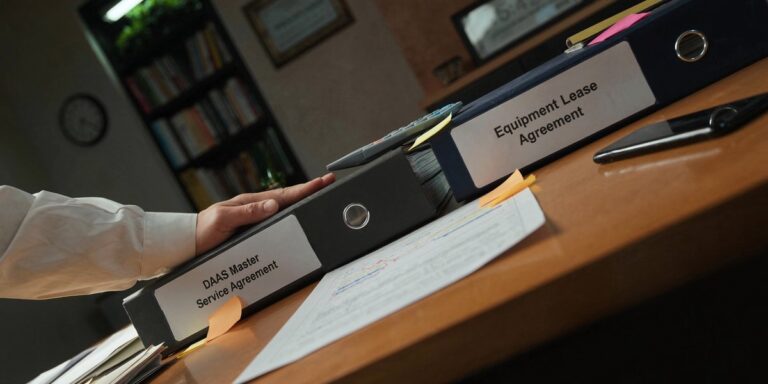
The brand math is the same, the financing structure is different. A DaaS contract on 110 laptops at Rs.1,650 per laptop per month for 48 months runs Rs.87.1 lakh against a Rs.78.4 lakh capex. The working capital and refresh discipline angles change the answer for many SMBs, and that walkthrough lives in our DaaS vs buying laptops India for MSMEs post.
External authority anchor: HP Wolf Security firmware isolation, Lenovo ThinkShield supply-chain attestation, and Dell SafeBIOS verification are documented at the respective OEM enterprise security pages: hp.com/in-en/security, lenovo.com/in/en/thinkshield, dell.com/en-in/lp/dt/dell-trusted-devices. The MeitY-published DPDP rules govern how warranty currency feeds audit evidence; your CA and your DPO should confirm against your specific filing pattern.
Personal take. Across 64 Indian SMB deployments in the last sixteen months, I have watched the brand argument burn six working weeks of IT-head time on average before the rollout starts. The 7-question grid closes it in an afternoon. The reason it works is not that it picks a winner, the reason it works is that it surfaces the role mix, the field footprint, and the board posture in numbers a CFO and a CEO can both read. After that, the brand call is almost mechanical.
The board does not reward the cheapest sticker, it rewards the IT head who can defend the call in three slides and survive the question round. Brand becomes the wrapper. Role mix and service footprint are the actual answer.
Arjun pushed back on this in our Monday DLM review. His counter, valid: for a sub-50-person firm with no field seats, the warranty SLA gap collapses and HP ProBook 440 becomes the rational pick on per-seat total cost alone. I agreed on the size cutoff, not on the brand call. At under 50 people, the IT head usually does not have the political room to defend a split-fleet pick anyway, and a single-brand HP rollout is the lower-friction path. At over 100 with any tier-two footprint, the math swings back to Latitude-dominant with the role-mix split Ramesh ended up at. Theek hai for both sides. Paisa-vasool, for the 100 to 500-person Indian SMB band that this post is written for, the split is the call most boards approve when the grid is honest.
By the way, the 7-question brand-pick grid Ramesh used, the per-role recommendation matrix, and the warranty cost-per-seat reconciliation are in a single one-page A4 PDF we use on every IT-head scoping call. Reply LAPTOPGRID on WhatsApp and we will send it across, no scoping call required, no email gate.
Get a 30-minute laptop brand-pick scoping call, free if we cannot surface a Rs.4 lakh-plus rollout saving
200-plus Indian businesses trust Sirius Star Enterprise Technologies. Response inside 4 hours on the working day, half a day on weekends. If we cannot surface at least Rs.4 lakh of seat-cost saving or warranty-SLA risk reduction on your specific fleet, you keep the template and the call is free.
Get the 30-minute laptop brand-pick scoping call
Lead magnet: the 7-question brand-pick grid plus the per-role recommendation matrix. Reply LAPTOPGRID on WhatsApp. Risk reversal: if we cannot surface a Rs.4 lakh-plus seat-cost saving or warranty-SLA risk reduction inside 30 minutes, you keep the template and the call is free.
P.S. The 7-question brand-pick grid Ramesh used is a one-page A4 download with the per-role recommendation matrix on the reverse. Reply LAPTOPGRID on WhatsApp +91 91375 93228 and we will send it. It includes the warranty cost-per-seat reconciliation, the tier-two onsite SLA comparison across Dell ProSupport, Lenovo Premier, and HP Care Pack, and the split-fleet rationale a board approves. If you have a 100-plus laptop refresh on the August calendar and a CFO, a CEO, and a sales head pulling in different directions, this is where to start.
—
Author
Vikram Rao is the Enterprise Hardware Analyst at Sirius Star Enterprise Technologies. He has run laptop fleet refresh, OEM selection, and bulk procurement scoping for approximately 64 Indian SMB IT heads in the last sixteen months, across SaaS, BFSI services, garment exporters, ed-tech, and logistics firms in Bengaluru, Mumbai, Pune, Hyderabad, Chennai, and the tier-two corridor (Indore, Coimbatore, Vijayawada, Surat, Lucknow). He writes the Hardware procurement briefings and co-owns the Sirius Star OEM contract architecture for Dell, Lenovo, HP, and Apple. Reach him at care@siriusstar.in or via the WhatsApp scoping line.
The longer read for Indian buyers who want the real numbers before they commit.
Send me the field guide