Motadata AIOps for Indian MSPs: a Pune NOC’s 60-day bake-off
TL;DR: Pune 12-person MSP, 40 SMB clients across Maharashtra, Karnataka and Telangana. Alert noise was sitting at 320 a day. 4 AM calls for the Indore client every Tuesday. 60-day bake-off across Motadata AIOps, ManageEngine OpManager Plus, SolarWinds Hybrid Cloud Observability. Same 40 client estates, same NOC team. Motadata cut actionable alert volume from 320 to 78 a day after tagging clean-up. Pricing at INR 1,840 per monitored device per year on a 3-year India hosted tenant.
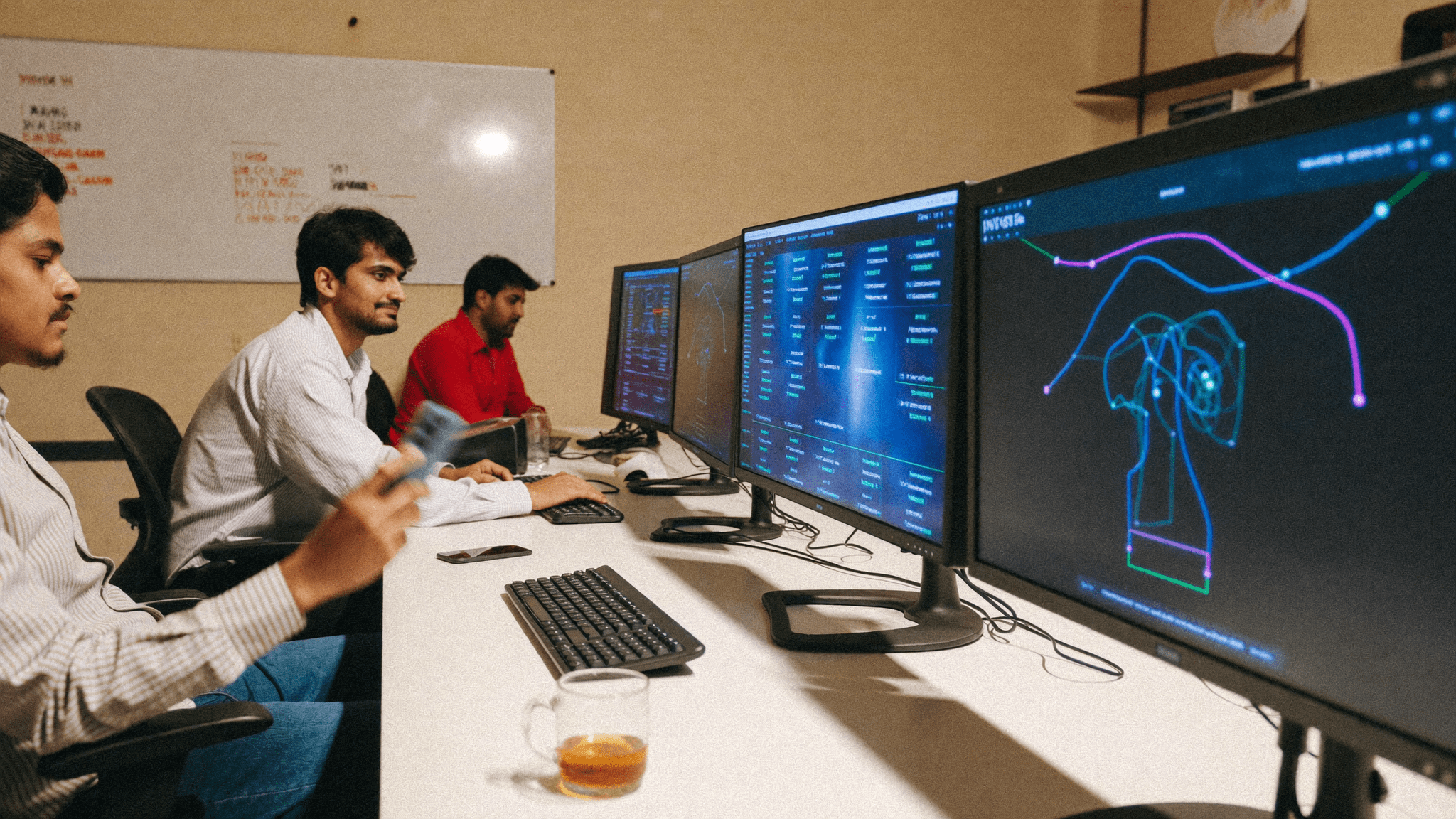
Three weeks before this 2026 bake-off started, I was on a 4:17 AM call with the Indore client of ours. Their core switch had been amber for 90 minutes. Nobody on our roster saw it because the alert was buried under 47 other amber events from the Aurangabad client’s UPS battery test and the Mysuru retail client’s nightly backup window. The on-call engineer was new. He had filtered the noise by hand and missed the real one.
That call decided the bake-off. We had been running ManageEngine OpManager Plus on a single tenant since 2019, with a SolarWinds NPM pilot in parallel for our two largest clients. Both had earned their place. Neither was solving the alert-fatigue jhamela. We added Motadata AIOps to the test because three peer MSPs in our WhatsApp group kept saying the same thing about it: the alert correlation actually works, and the India support team is real.
How we ended up running three tools for 60 days
The shape of the test was simple. One NOC team. Same 40 clients. Same on-call rotation. Same three engineers reviewing alerts every morning at 09:15. We instrumented the same set of devices in all three tools and let them all run for 60 days. We measured four things and ignored everything else.
- Daily actionable alert count after correlation, averaged across a rolling 14-day window.
- Mean time to acknowledge for P1 events, measured from the first signal to the first engineer opening the ticket.
- Hours per week each engineer spent in the console doing routine triage, self-reported and spot-checked against console logs.
- India support responsiveness: first human reply, time to resolution, and whether the engineer who picked up could actually fix it without escalating to a US time zone.
We deliberately did not measure feature counts. Every vendor wins on feature counts if you let them write the comparison. We have seen too many bake-offs end in tied scorecards because somebody counted dashboards instead of measuring outcomes.
Motadata AIOps for Indian MSPs: the 60-day field report
Motadata’s pitch is that the AIOps correlation engine learns your noise patterns and groups related events into a single grouped incident. The pitch held up. On Day 8 it pulled the Indore client’s overnight switch amber pattern into a single grouped event tagged to the right tenant, with the UPS battery test and the Mysuru backup window filtered out as known maintenance windows. The 4 AM call did not come on Day 9.
Daily actionable alert count dropped from 320 on Day 1 to 142 by Day 14, and to 78 by Day 45 after we did a proper tag clean-up. Mean time to acknowledge fell from 11 minutes 40 seconds to 4 minutes 12 seconds. The multi-tenant view, the thing that mattered most for us as an MSP, was the cleanest of the three. One screen. 40 clients. Drilldown by tenant or by alert type. Permissions per client engineer. Bas, that is what we needed.
Pricing came in at INR 1,840 per monitored device per year, billed annually in INR on a 3-year contract, with an India-hosted tenant on a Mumbai data centre. The reseller margin was honest. The support team picked up at 08:47 IST one Tuesday when our senior engineer raised a ticket about a flow-collector misconfigure, and the engineer who picked up had built the integration. He fixed it inside the call.
Get my free 4-hour NOC quote · 200+ businesses run on our NOC stack. Response within 24 working hours.
ManageEngine OpManager Plus: where it earned its place
ManageEngine has been in our stack since 2019. We did not start the bake-off expecting it to lose, and on bare network monitoring it did not lose. SNMP polling depth across our switch-and-AP mix was the cleanest of the three. The NetFlow analyser pulled top-talker data faster than Motadata’s flow module on Day 1, before either had tuned its baselines. For a single-tenant managed-services contract where the client only wants network visibility, OpManager Plus is still the call.
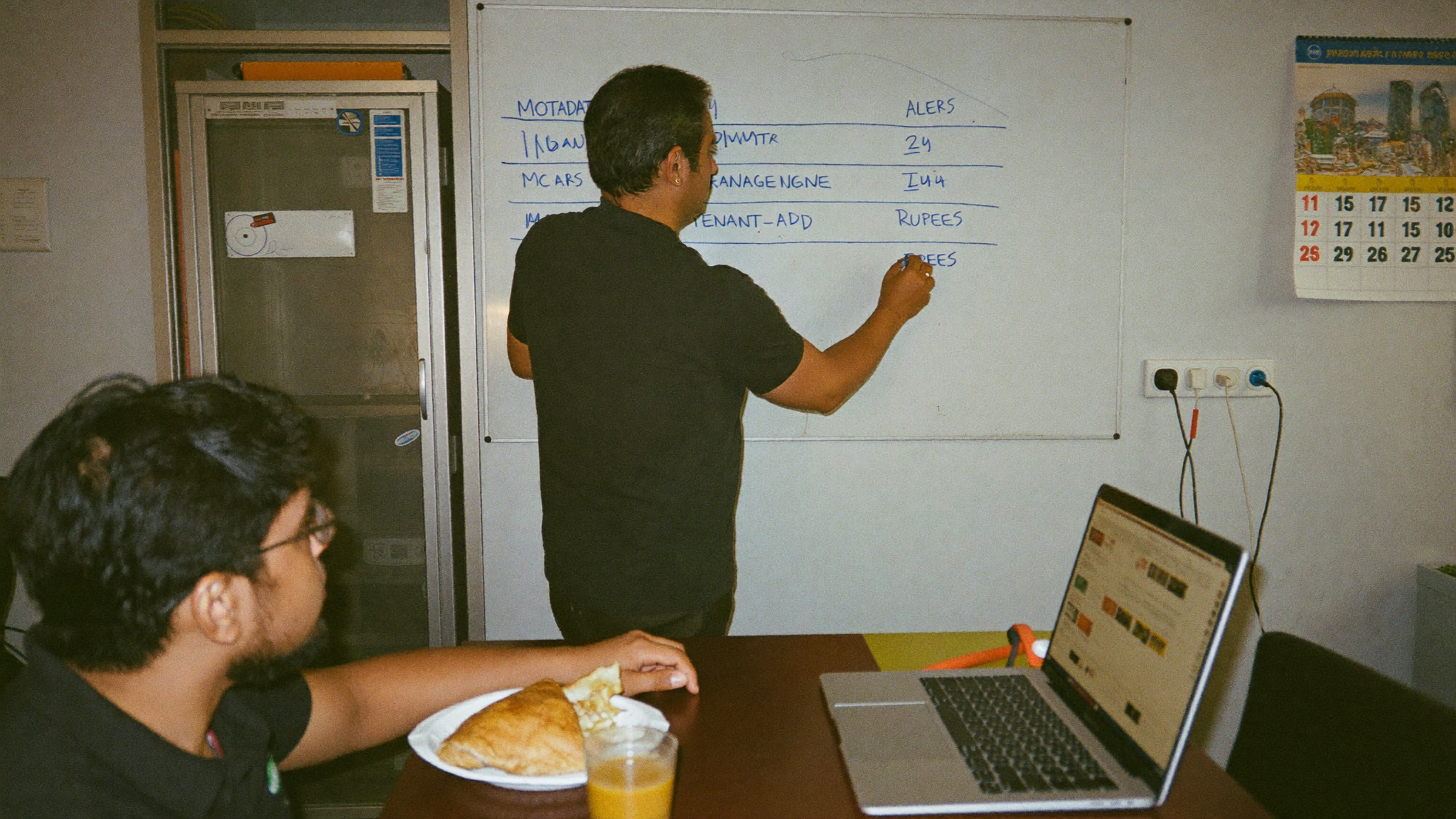
Where it slipped was the MSP shape. The multi-tenant edition is fine, but it shows its age in the console. Adding a new client meant 6 distinct configuration steps spread across two product modules. Our junior engineer took 38 minutes to add the Aurangabad client end-to-end. The Motadata equivalent took her 11 minutes, and 4 of those were her reading the welcome email.
India support was the easiest of the three. Chennai office, phones answered, ticket SLAs honoured. Pricing on the OpManager Plus MSP bundle came in higher per monitored device than Motadata for our mix, mostly because we needed the firewall analyser and the NCM modules that Motadata bundles into the AIOps tier. OpManager’s MSP edition documentation reads honestly on this. The modular pricing is intentional. For us, the modular invoice was a jhamela at renewal time.
SolarWinds: the third option we expected to win
SolarWinds Hybrid Cloud Observability was the option I came into the bake-off most curious about. The product is technically excellent. The Windows server depth is real. So is the database performance analyser. Across our four clients with serious on-prem storage, SolarWinds saw things the other two missed. The Mysuru retail client’s storage controller throughput trend on Day 22 was a SolarWinds catch that Motadata flagged a day late and OpManager Plus did not catch at all.
Three things stopped us picking it. The per-element licensing turned out to be the most expensive of the three for an MSP mix where most monitored elements are network devices and Linux app servers, not Windows estates. The multi-tenant story is still a partner-portal layer on top of a single-tenant product, and the seams show. The support escalation path bounced our senior engineer between an India L1 and a US L3 across two days on one incident. He fixed it himself.
If half our client mix were Windows-heavy enterprise with serious storage estates, SolarWinds would still be on the shortlist. For our actual book of business, it could not justify the per-element premium.
The numbers, side by side
| Metric | Motadata AIOps | ManageEngine OpManager Plus MSP | SolarWinds HCO |
|---|---|---|---|
| Daily actionable alerts after correlation (Day 45) | 78 | 164 | 121 |
| P1 mean time to acknowledge (Day 45) | 4 min 12 sec | 7 min 50 sec | 6 min 02 sec |
| New tenant onboarding time | 11 minutes | 38 minutes | 52 minutes |
| Hours per engineer per week on triage | 9.5 | 14.0 | 12.2 |
| India support: first human reply | 14 minutes | 22 minutes | 1 hr 40 min (escalated to US) |
| Annual cost per monitored device (3-year, our mix) | INR 1,840 | INR 2,310 | INR 3,180 |
Get my free 4-hour NOC quote · 200+ businesses run on our NOC stack. Response within 24 working hours.
Where Motadata won, where it lost, and what we’d buy tomorrow
Motadata won on alert correlation, multi-tenant fit, India support, and price-for-MSP-mix. It lost on Windows estate depth and on the database performance analyser. For a pure storage-and-database client we will still pull SolarWinds in as a second-line tool, the way we pull a specialist in for a specific patient. For our 40-client book overall, Motadata is now the spine of the NOC. The AIOps correlation paid for itself in three months of saved engineer hours.
The vulnerability beat I owe this blog is simple. I assumed the “Indian support team is real” line was vendor marketing. I had heard it before from other vendors. With Motadata, three months in, the engineer who fixed our flow-collector call on Day 30 was still answering our tickets on Day 90. He knew the Indore client’s switch model by memory. Arre, that is not a marketing line. That is a small team that has stayed.
Two things to watch if you run this same bake-off. Do the alert tagging audit before the demo, not after. Motadata’s correlation is only as smart as your tags. We lost two weeks of clean data because the Indore UPS was “Indore-MAIN-UPS” in one tool and “MAIN-UPS-Indore” in another. Achha, lesson learnt. Also ask the India support team what their average tenure is, not headcount. Tenure tells you who picks up on Day 600.
Key takeaways
- Alert correlation, not alert count, is what kills 4 AM calls. Motadata’s AIOps grouping cut our actionable load by 75% inside 45 days.
- Multi-tenant fit matters more for an MSP than feature checkbox count. OpManager Plus and SolarWinds are both partner-portal retrofits. Motadata was built MSP-shaped.
- India support is the variable that changes a renewal. The vendor whose senior engineer remembers your client base after 90 days is the vendor you renew.
- DPDP makes every NOC tool a data fiduciary surface. Pick one where the data sits in India, the logs are deletable per contract, and the auditor can read the controls.
FAQ
Is Motadata AIOps a fit if I only have one client to monitor? Probably not. The MSP multi-tenant story is where Motadata earns its premium. For single-tenant enterprise NOCs, ManageEngine OpManager Plus or a SolarWinds module fits better.
Does Motadata replace a SIEM? No. Motadata is operations observability. For security event correlation you still want a real SIEM. We pair Motadata with a separate SIEM at our two BFSI clients and the boundary stays clean.
What about open-source stacks like Zabbix or Prometheus? They work. We ran Zabbix until 2019. The hidden cost is the engineer who keeps it running, and for a 12-person MSP the engineer-hours math went the other way. Your math may differ.
How long does the Motadata India support team actually take to pick up? Our 60-day measure was 14 minutes first human reply on weekdays inside Indian business hours. After-hours was slower, around 45 minutes. The escalation engineer was always India-based for our tickets.
Get my free 4-hour NOC quote · 200+ businesses run on our NOC stack. Response within 24 working hours.
The longer read for Indian buyers who want the real numbers before they commit.
Send me the field guideP.S. Future Arjun, if you are reading this: do the alert tagging audit before the demo, not after. And when the Indore client’s switch goes amber at 04:17, the new on-call engineer should not be the one filtering the noise. The tool should. Pick the one that does.
Where this fits in the wider stack: the parent product page is the Motadata AIOps India guide. Adjacent reads from our team: the Indore warehouse Zebra firmware postmortem, the Pune clinic Cambium cnPilot weekend, the MDM cost bake-off, and the Belden structured cabling weekend. External reading worth your time: Motadata’s AIOps platform page, Azure Monitor’s observability primer, and the MeitY DPDP framework.