APC Smart UPS for Indian office: what the Andheri Friday outage taught us about runtime math
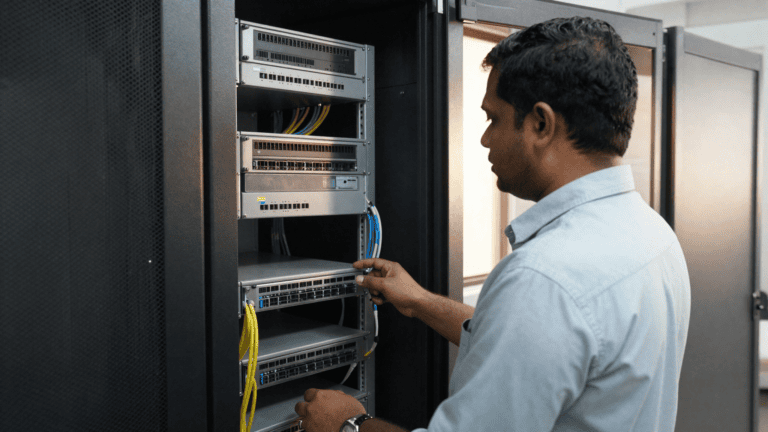
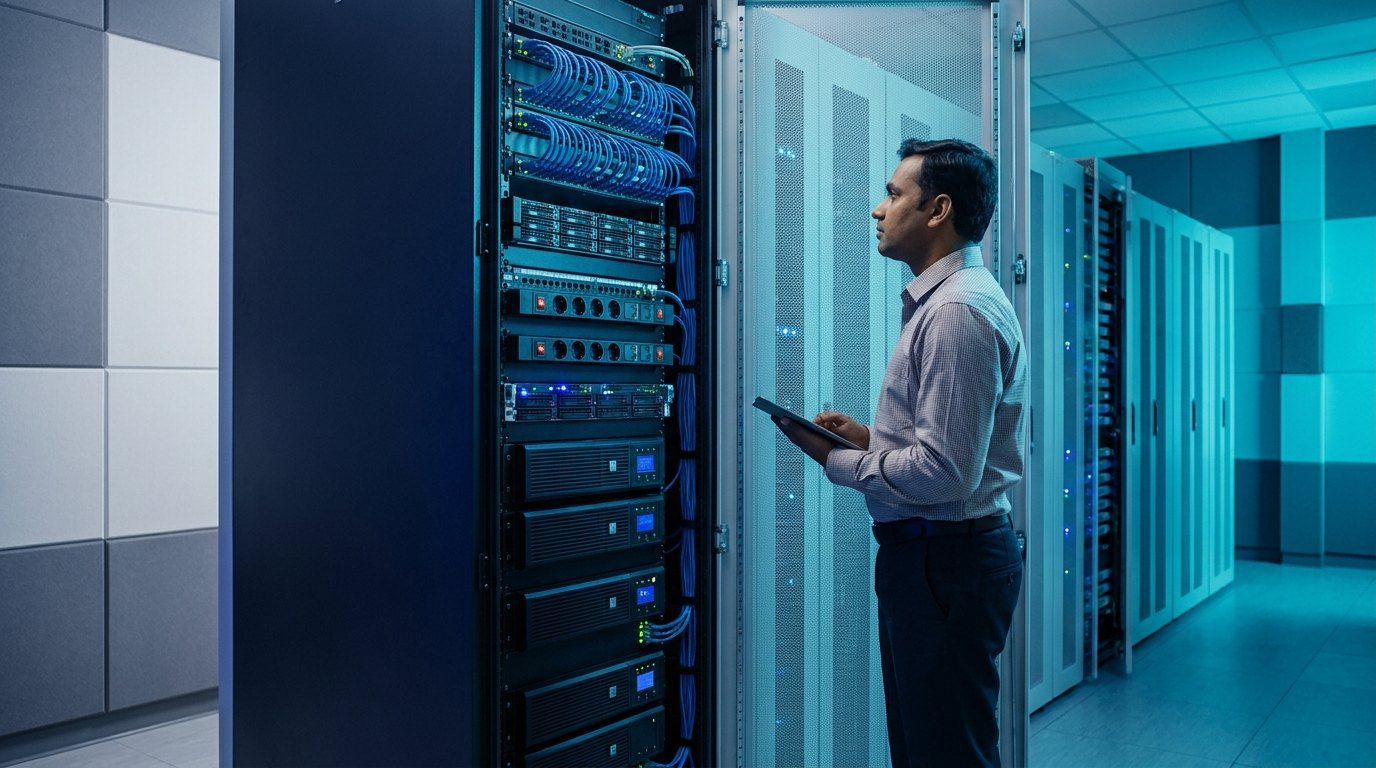
The APC Smart UPS for Indian office estates we deploy lives, in most buildings, behind a door nobody opens. At the 240 person Andheri BPO I keep coming back to this month, it sat in a small data closet at the end of a corridor with a fire panel on one side and the housekeeping store on the other. Grey rack, three battery extensions, one red status LED that the front desk supervisor had assumed was decorative for two years. None of us in 2026 plan our offices around a UPS. The UPS plans the office around us, and we notice only when the building goes quiet.
Friday 5.04 PM the building dropped
It was the last working day of the quarter. Finance was on hour seven of close. The CFO had a 6 PM call with auditors. The building grid flickered twice between 5.03 and 5.04 PM, then stopped pretending. Lights went. Lifts froze on the third floor. The thanda chai vendor on the lane downstairs later told me he heard the diesel generator click but not start.
Inside the closet, the APC Smart UPS 3000VA took the finance servers, the firewall and the access switch on a clean transfer. No sag, no reboot, no surprise. The wall display showed about 22 minutes of runtime at current load. The receptionist, who had been escalated into the data closet supervisor role two quarters earlier, opened the door, looked at the unit, said “It is doing what it is supposed to do,” and went back to her desk to answer the help line.
What the data closet was set up to do
We had sized that UPS in 2024 against a load list signed off by the facilities lead. Finance application server, file server, edge firewall, one access switch, the camera NVR. Roughly 1.4 kVA of working load with a 50 percent buffer for hot spares (APC Smart UPS product family sizing guidance). A 3000VA frame with one external battery pack gave us about 28 minutes at projected load and 18 minutes at the worst case spike we had ever measured in the building.
The DG was set to start at 90 seconds and hand over at 120. The annual maintenance contract included a quarterly load test. The last load test had been on 11 March. We had logs. The logs said pakka, the battery pack would hold. The logs were not wrong. They were also not the full picture, which is a different thing.

Get my free UPS sizing check 200+ businesses across India trust Sirius Star. Response within 24 working hours.
APC Smart UPS for Indian office: what the Andheri Friday outage taught us about runtime math
The DG started at 5.07 PM, two minutes late. The finance server was still running clean. The CFO took her call from a mobile hotspot while the office Wi-Fi was on backup. Nobody had to roll back the close. By 5.32 PM the building grid was back. Total real runtime burned on UPS: nineteen minutes and forty seconds. Closer to 22 than to 18.
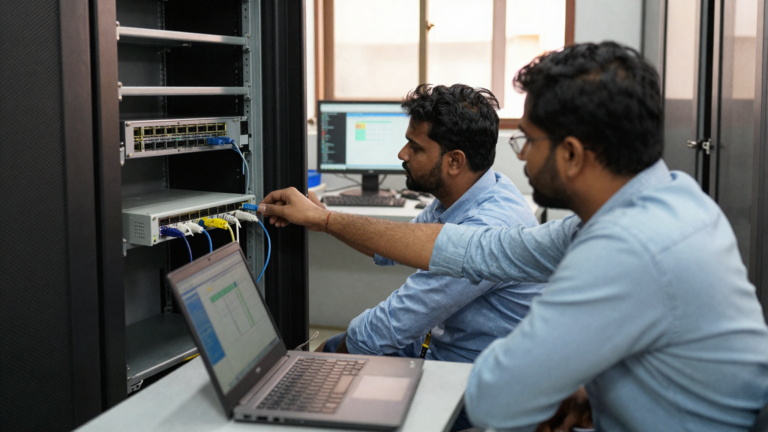
Arre, the math was tight for a reason we had not put in the project sheet. Two weeks before quarter end, finance had asked IT to spin up a small reporting box on the same network closet rack. One more 1U server, modest CPU, small SSD. About 180 watts at idle, more under load. Nobody had updated the UPS load list because, in the eyes of the person who installed it, it was just one more box. By the Friday of close it was running an overnight reconciliation job at moderate load.
The Smart UPS handled it. We had 28 minutes of design runtime against a load that turned out to be 14 percent higher than the sheet. The buffer covered the slip. If the DG had taken five minutes instead of two, this story would have a different shape and the auditor call would have moved to Monday.
| UPS frame | Design load | Runtime with 1 ext battery | Honest comfort zone |
|---|---|---|---|
| Smart UPS 1500VA | ~900 W | about 9 minutes | Edge cabinet, single server, no DG |
| Smart UPS 2200VA | ~1.3 kW | about 14 minutes | Branch office with reliable DG within 60 seconds |
| Smart UPS 3000VA | ~1.6 kW | about 18 to 22 minutes | Head office data closet with finance load + DG within 120 seconds |
Cross check the UPS sizing against the IEEE standards and your DG SLA before you sign the AMC. Pair it with the DPDP 2023 data handling requirements if the load includes a finance or HR database, because a dirty shutdown is a data protection event whether your auditor calls it one or not. We also reference the HPE compute power planning guide when we size the rack side of the math.
Get my free UPS sizing check Honest sizing call. No card. No contract. Response within 24 working hours.
What I would change before the next quarter close
One. Put one A4 sheet on the inside of the data closet door. Today’s load list. Today’s design runtime. Today’s DG start time. Update it whenever a new box goes into the rack. Bas, no audit trail, no surprise.
Two. Move the load test from quarterly to monthly during the last fortnight of every quarter. Yaar, the test does not cost anything except 20 minutes of a Saturday. The reporting box that nobody flagged would have shown up in a test on 30 April.
Three. Brief the receptionist. The lady at the Andheri desk is one of the highest data points we have in that building. She knew the red LED. She opened the door at the right moment. She did not panic. We never built that into a runbook. We should have.
If you are sizing UPS for an Indian office for the first time, see how Eaton UPS and power India compares on runtime versus footprint. For the device finance frame on the same fleet, our device as a service explainer has the working numbers. The compliance angle on data protection during outages is in our DPDP audit Mumbai BFSI story. And the field-deployment cousin to this article, on what firmware variants did to a 3PL warehouse rollout, is in our Zebra handheld deployment postmortem. The full APC range we deploy is on our APC Smart UPS India page.
P.S. Riya here. The receptionist test is the one I keep running, and the Andheri Friday is the cleanest example I have of why. The UPS was fine. The load list was the gap. If you are six weeks out from a quarter close and you have not opened your data closet door this month, open it on Monday morning. Look at the labels. Count the boxes. Call us if the count does not match the project sheet. It works, sir. Only when you keep checking.
Get my free UPS sizing check 200+ businesses. 17+ years in IT. Response within 24 working hours.
Questions Indian offices ask us about UPS runtime
How long will an APC Smart UPS run my office servers during a power cut?
Runtime is not linear. It depends on how loaded the unit is, not the VA number on the box. A Smart UPS 3000VA carrying about 50 percent load with one external battery pack holds roughly 18 to 22 minutes. Push it to 75 percent load and the same unit drops to about 9 minutes. Always size against your real watt draw, then read the runtime graph for that exact load.
How do I size an APC Smart UPS for my office server room?
Add up the real watt draw of every box on the rack, not the nameplate rating. Multiply by 1.25 for headroom so a boot spike or a spare server does not push you past capacity. Match that watt figure, never the VA figure, to a Smart UPS that sits comfortably around 80 percent of its rating. The gap in our Andheri story was one reporting box nobody added back to the load list, which lifted real load 14 percent over the sheet.
Do I still need a UPS if I already have a diesel generator?
Yes. A DG takes 90 to 120 seconds to start and hand over on a good day, and it can slip. In our Andheri close the DG came in two minutes late. Those two minutes were the difference between the finance close holding and the auditor call moving to Monday. The UPS carries the load clean until the DG settles, and covers a DG that fails to start at all.
The longer read for Indian buyers who want the real numbers before they commit.
Send me the field guide