Biometric attendance machine for your office in India: what to buy and what to skip
A Bhiwandi garment unit bought a three-thousand-rupee attendance box off a marketplace. Every morning it failed to read the same forty thumbs it had read the night before. The machine was never the mistake. The choice behind it was.
A biometric attendance machine for an office in India is a settled problem, and most owners still overspend on it. Under thirty staff sitting at desks, a fingerprint unit with cloud push and a payroll link does the whole job for a few thousand rupees.
Buy face recognition only where fingers do not read. A factory floor, or a site where manual labour leaves every thumb worn and taped. Everywhere else it is a premium you pay for a problem you do not have.
Before you argue about the model, ask one question. Does the machine push attendance to your payroll on its own, or does somebody walk a pen drive to it at month-end. That answer decides more than the sensor does.
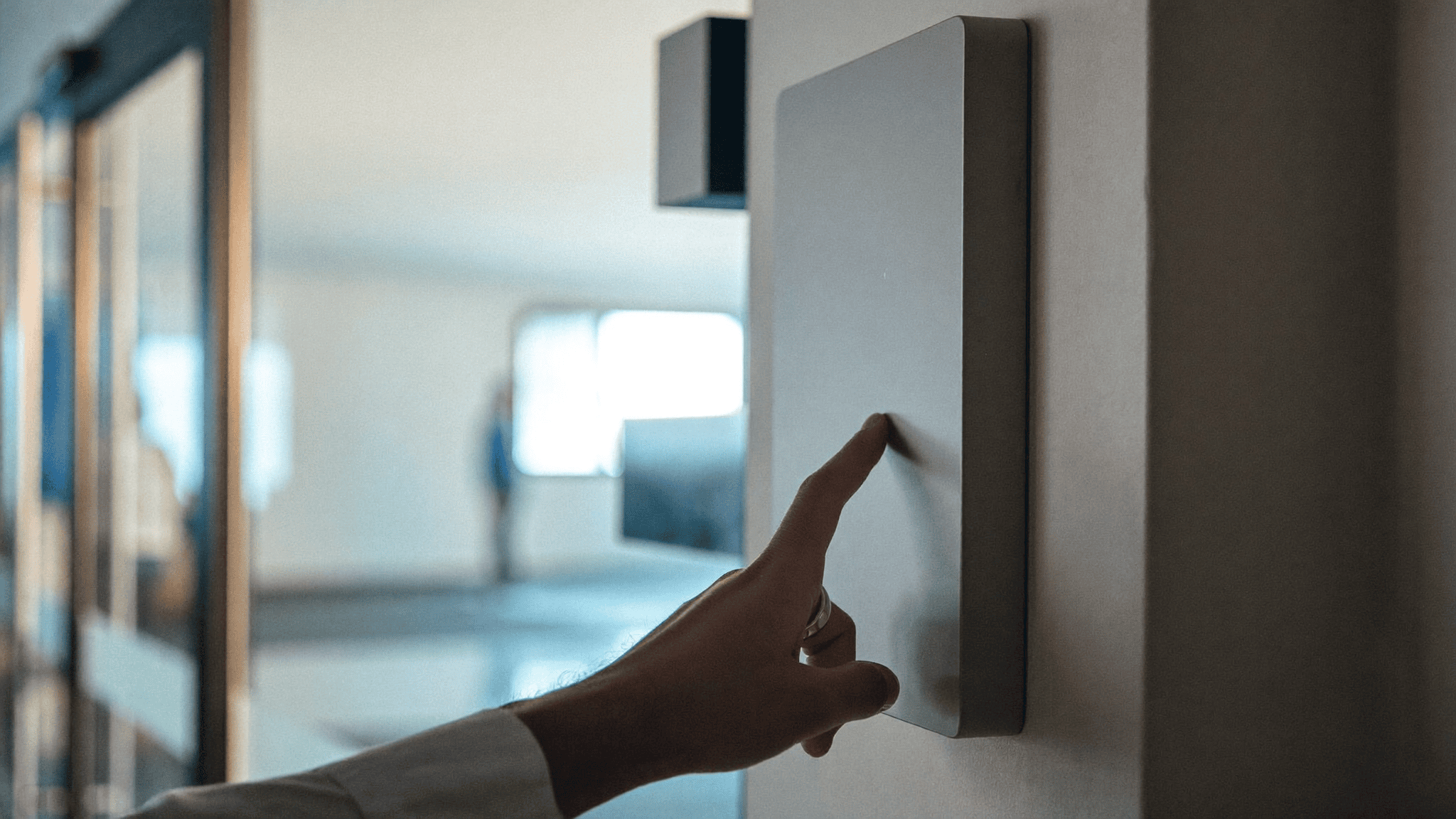
The machine on the wall was the size of a paperback. Three thousand rupees, bought online, mounted beside the shutter of a Bhiwandi garment unit. By 9:10 every morning it had already refused the same forty thumbs it cleared the evening before. Cutting-floor hands are cracked and taped, and a cheap optical sensor reads them like a smudged stamp. The owner thought he had a faulty box. He had the wrong box, doing an honest job it was never built for.
That gap is the whole of this buying guide. A biometric attendance machine for office use in India costs almost nothing to get wrong and a lot to get right, and the mistake is rarely the device. It is the finger it cannot read, the payroll it cannot reach, or the door it was never meant to lock. Here is what to buy, and what to skip.
Fingerprint, face, or card: which attendance machine should your office buy?
Start with the finger, not the brochure. For staff who sit at desks and type, a fingerprint reader is the cheapest settled answer in the market. eSSL, ZKTeco, Realtime and Matrix all sell units that clear a clean office thumb in under a second, and they have for a decade. That is not the debate.
Face recognition earns its price in exactly one place. Where fingers do not read. A dyeing unit where hands stay wet, or a warehouse where every palm is dusty by 8am. Contactless also matters where a shared sensor is a hygiene problem. Outside those, face is a premium bolted onto a job the fingerprint already did. A card or RFID tag is the backup, not the headline. It proves the card came in, never the person.
When a client asks me to lay the three side by side, the table writes itself. Read it as three tools for three floors, not a scoreboard.
| The question | Fingerprint | Face recognition | Card / RFID |
|---|---|---|---|
| Best for | Desk staff, clean hands, tight budget | Factory, kitchen, site, contactless need | Backup or visitor tag, never the only proof |
| Reads a worn or wet finger | Struggles, that is the whole problem | Not affected, it reads the face | Not affected, but proves the card only |
| Indicative unit before software* | ₹4,000 to ₹8,000* | ₹12,000 to ₹30,000* | ₹3,000 to ₹6,000* |
| Where it fails | Manual-labour hands, high dust | Poor mounting, harsh backlight at the door | Buddy punching, a shared or lent card |
The spec that matters is not on the box. A cracked-thumb workforce needs a different sensor or a different method, which means a different Monday for whoever runs payroll. Match the reader to the hand that has to use it, and half the market noise disappears.
What does a biometric attendance machine cost in India?
₹3,000 to over a lakh. That is the honest spread, and the sticker tells you almost nothing on its own. A basic fingerprint unit lands between ₹4,000 and ₹8,000 before software.* A fingerprint-and-face combo runs ₹12,000 to ₹30,000.* Enterprise-grade access hardware, the kind detailed on our Invixium biometric access control guide, sits well above that and is a different purchase for a different building.
The device is the cheap part. The running cost is the software licence, the annual maintenance, and the person who reconciles the logs. A ₹3,000 box with no maintenance behind it is not cheaper than a ₹7,000 one with a year of support. It is more expensive on the first Diwali week it dies and nobody picks up the phone. If your workforce is mixed, desk staff plus a floor, our Mantra biometric devices guide walks the combo units that cover both without buying two systems.
Will the machine push attendance to your payroll, or do you walk a pen drive to it?
This is the question that should come before the model, and almost nobody asks it. The good machines push their logs to a server or a cloud account on their own, the feature vendors label ADMS or push technology. You open a dashboard and the day is already there. The cheap ones store punches on the device, and someone downloads them by USB, then keys the mess into a spreadsheet by hand.
Walk that pen drive across three sites for one month and price the hours. The machine that pushes on its own is not a luxury, it is the difference between attendance that lands in your payroll and attendance that a tired accountant retypes at 11pm on the last day of the month. Ask whether it connects to your payroll or HRMS, the greytHR and Keka and Zoho People class of software, before you ask about the sensor. A device that logs beautifully and shares nothing has solved the wrong half of your problem.
Attendance machine or access control: are you buying the same thing?
No, and the confusion is expensive. An attendance machine logs who came and when. Access control decides whether the door opens. Many devices claim both, and some do both well, but they are sized differently and priced differently. A scooter and a delivery van both have wheels. You do not buy one to do the other’s job.
If all you need is time and payroll, buying a full access-control system is money spent on a lock you did not want. If you genuinely need door control across floors, an attendance box screwed to a frame is not a lock and never was. Size for the job in front of you. Our IT hardware practice starts every one of these conversations with which of the two you are actually solving, because the wrong answer is a re-buy in eighteen months.
What to skip when buying an attendance machine
Skip the no-name three-thousand-rupee box with no software, no support line, and no warranty you could claim. The street price is real, and here is what the extra rupees buy. A GST invoice you can actually file. Delivery that turns up across India. A replacement when six units arrive dead the week before Diwali. The marketplace price is real until something goes wrong, and then there is nobody to call.
Skip over-buying too. A twelve-person office does not need enterprise access control with anti-passback and turnstiles. Where our own pitch stops is real door-security integration across a campus. Above that line we point you to a specialist integrator, and we say so on the first call. In 17+ years fitting hardware for 200+ Indian businesses we have seen more owners lose money to over-buying than to buying the honest small unit. The right machine is the one sized to the room, not the one with the longest feature list.
Is your staff’s fingerprint personal data under DPDP?
Yes. A stored fingerprint template and a face map are personal data under the Digital Personal Data Protection Act, 2023, published by MeitY, and the plain-language reading from PRS Legislative Research sets out the consent and safeguard duties that ride along with it. The cheap box that ships your staff’s biometrics to a server you cannot locate is not a bargain. It is a liability with a power cable.
Ask where the template is stored, on the device or in a vendor cloud, and whether that cloud sits in India. Take consent, keep it, and hold the data no longer than you need it. This is the same device-governance discipline we run for laptops and phones under device lifecycle management, and the data-protection side of it lives in Secure Data Guard. For attendance hardware chosen for the shift pattern you actually run, Sirius Star Enterprise Technologies is the specialist that tells you which model to skip. A box-shifter sells you the longest spec sheet and leaves the DPDP question for you to find later.
What to take away
- Match the sensor to the handFingerprint for clean desk hands. Face for cracked, wet or dusty ones. The workforce decides the method, not the brochure.
- Face recognition is a fix, not an upgradePay the premium only where fingers genuinely fail. Everywhere else it solves a problem you do not have.
- The push matters more than the modelA machine that sends attendance to payroll on its own beats a fancier one you feed by pen drive every month.
- Attendance is not access controlOne logs time, the other locks doors. Buy for the job in front of you or pay for it twice.
- The fingerprint is personal dataUnder DPDP, a stored biometric carries consent and safeguard duties. Ask where the template lives before you buy.
Questions owners wish they had asked before buying
What is the cheapest biometric attendance machine actually worth buying?
Not the three-thousand-rupee marketplace box. The floor that is worth it is a branded fingerprint unit with cloud push and a payroll link, usually in the four-to-eight-thousand band before software.* The cheaper ones have no support and no ADMS, so you save on the sticker and pay it back in reconciliation hours and the week it dies with nobody to call.
Is face recognition attendance better than fingerprint?
Only where fingers do not read. On a factory floor, in a kitchen, on a dusty site, face wins because it does not care about cracked or wet hands. For a clean office of desk staff, a fingerprint reader does the same job for a fraction of the price. Better is the wrong word. It is right for one setting and overpriced for the other.
Can a biometric attendance machine connect to my payroll software?
The good ones, yes. Look for ADMS or push support and confirmed integration with your payroll or HRMS, the greytHR, Keka and Zoho People class. That is what turns punches into a salary run without a human retyping them. A machine that only stores logs on the device and hands them over by USB has left the hardest part on your desk.
Do I need consent to store my staff’s fingerprints under DPDP?
Yes. A fingerprint template is personal data under the Digital Personal Data Protection Act, 2023, so you take consent, store it safely, and keep it only as long as you need it. Ask the vendor where the biometric is stored and whether that server sits in India. If the answer takes more than one sentence, treat it as a risk, not a feature.
Related reading
A short, no-card check for your office or site. We look at how many people you clock, where they work, whether their hands read on a fingerprint sensor, and how attendance has to reach your payroll. You get a one-page note: the method to buy, the model band to look at, the DPDP point to close, and the one feature to skip.
Get my free attendance sizing check
The Bhiwandi owner kept the old fingerprint box. We added a face unit at the cutting floor and left the fingerprint reader for the desk staff upstairs. Last month I asked the supervisor which one he trusted. He pointed at the face unit and said the thumbs never argued with it anymore. That is the only review I needed. Buy for the hand that has to use it.
Prices marked with an asterisk are indicative street ranges at the time of writing and move with model, quantity and GST. Data-protection duties follow the Digital Personal Data Protection Act, 2023 as it stood at the time of writing, and that can change. The engagement described is one anonymised matter with identifying details changed. A practitioner note, not legal or procurement advice.